EN
 English
 中文简体
 Deutsch
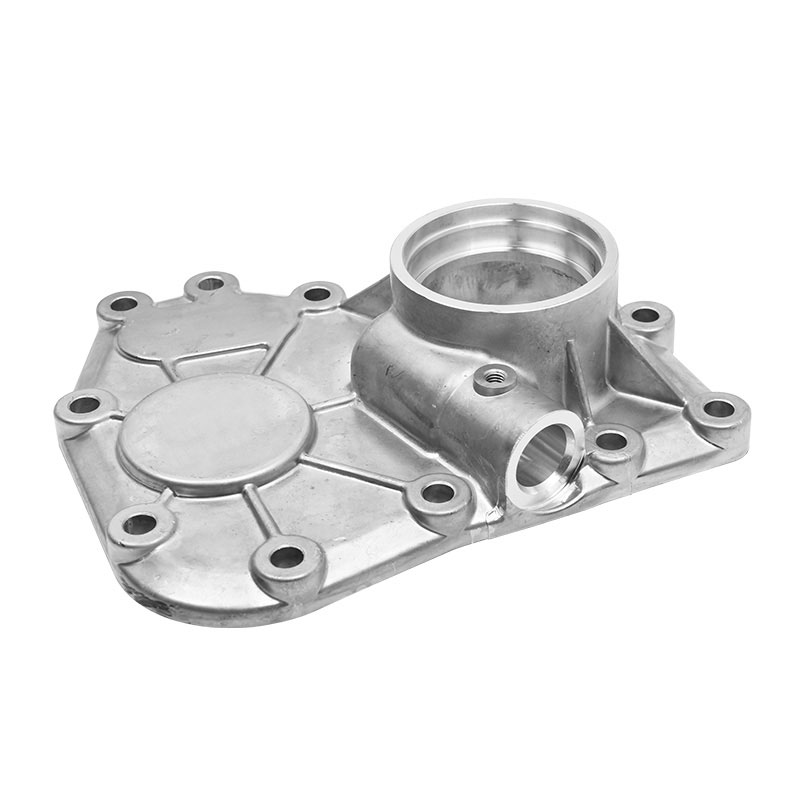
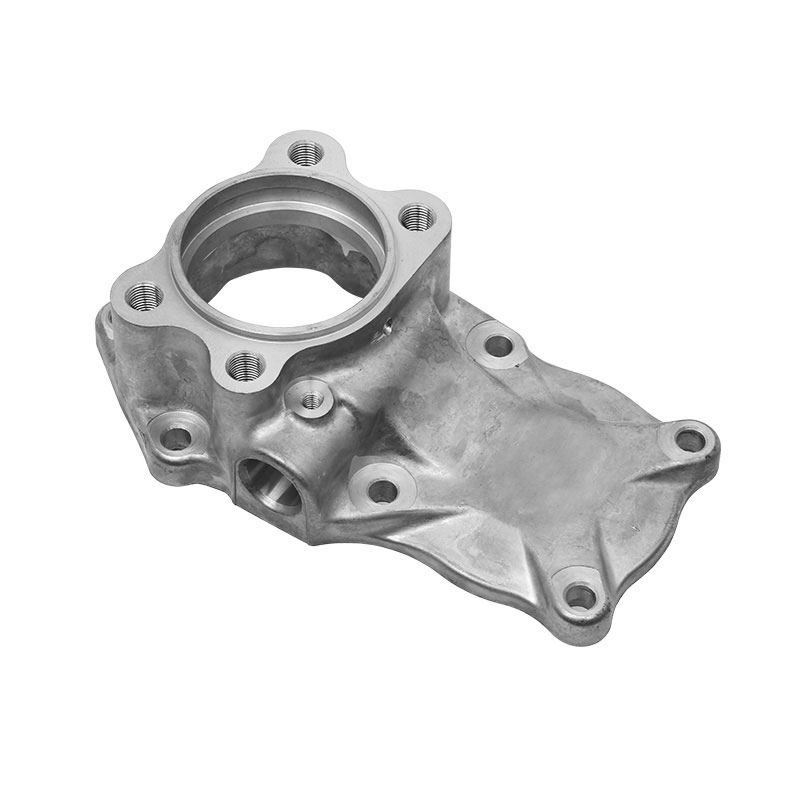
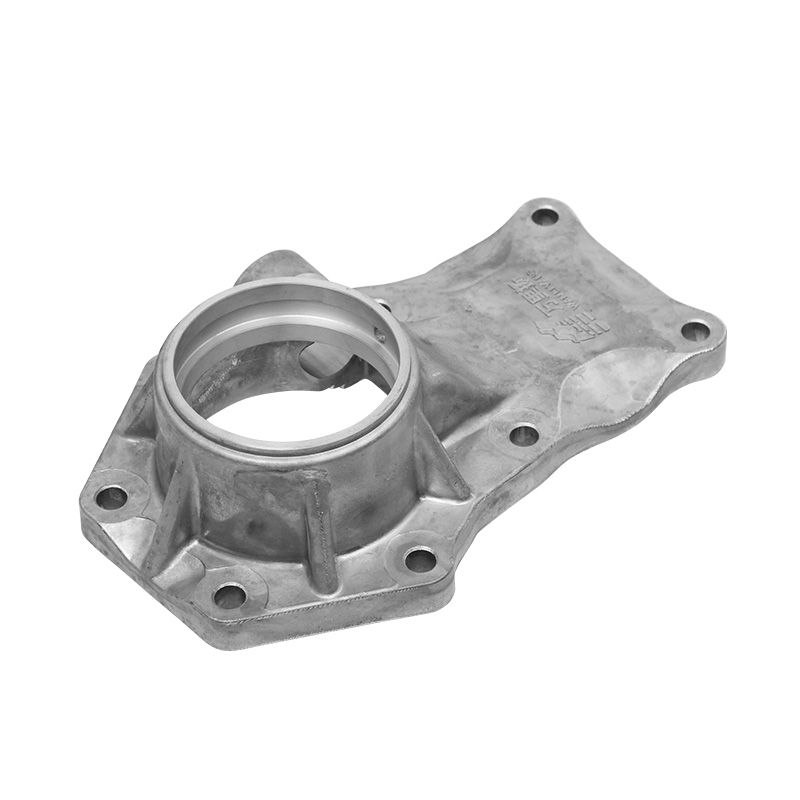
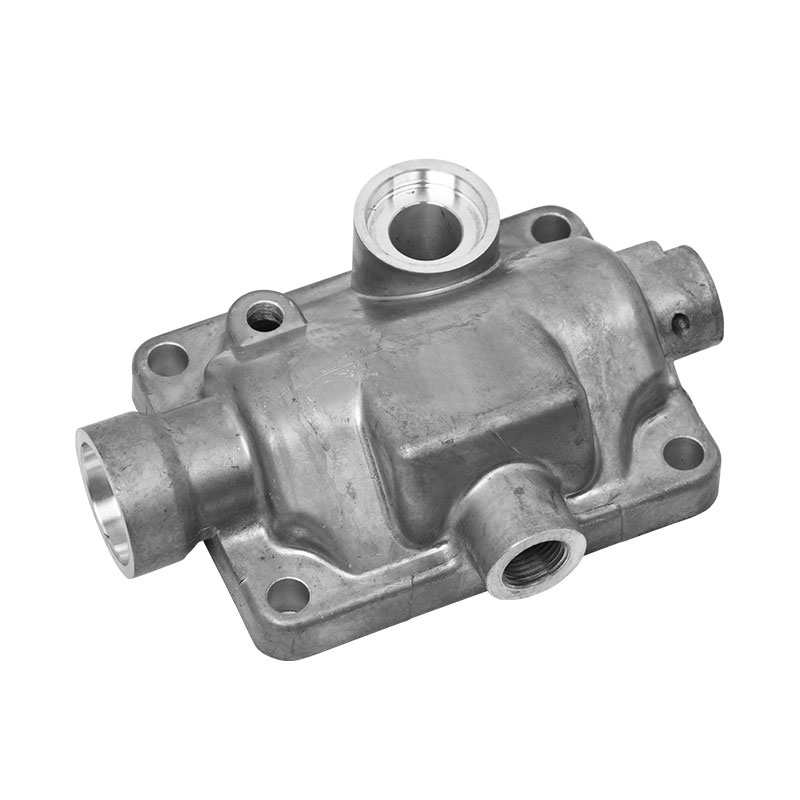
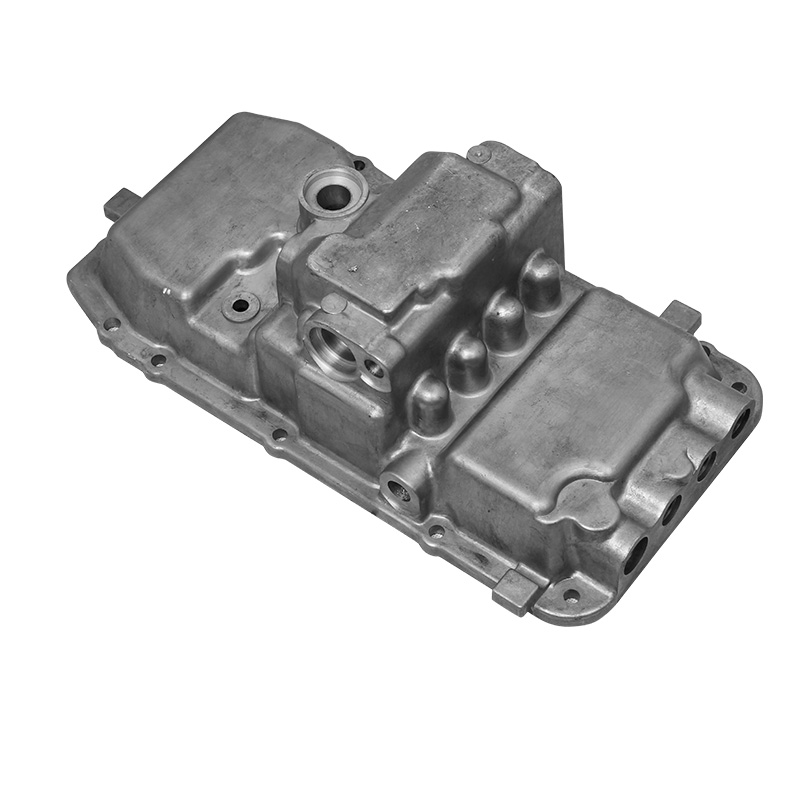
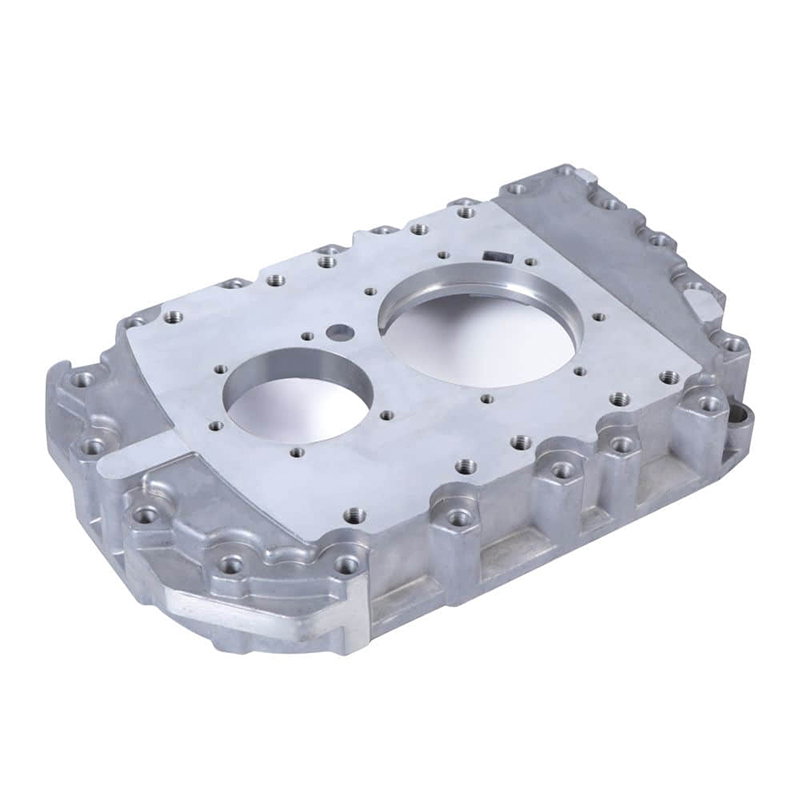
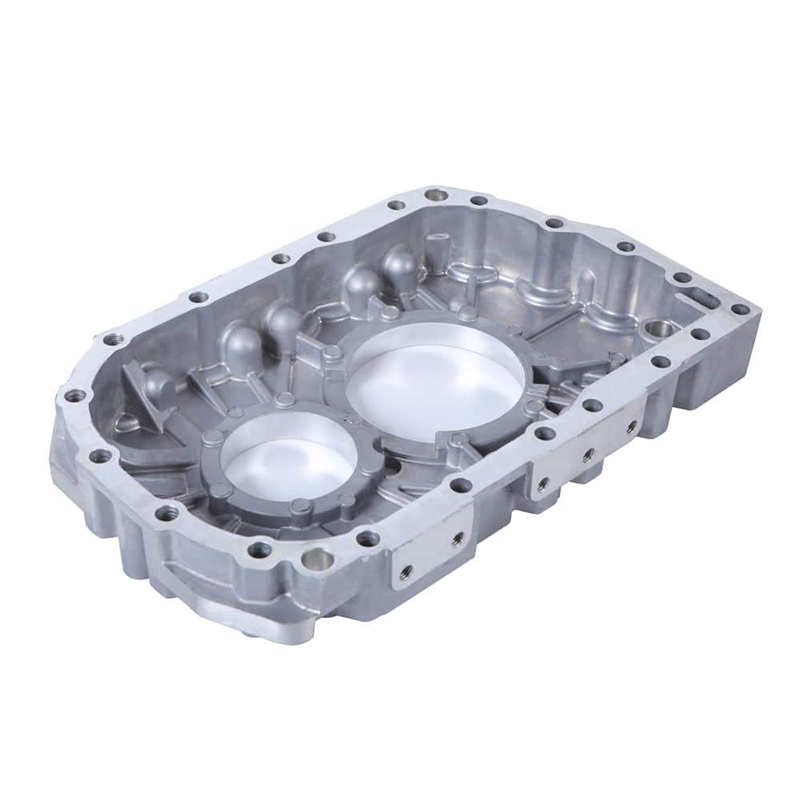
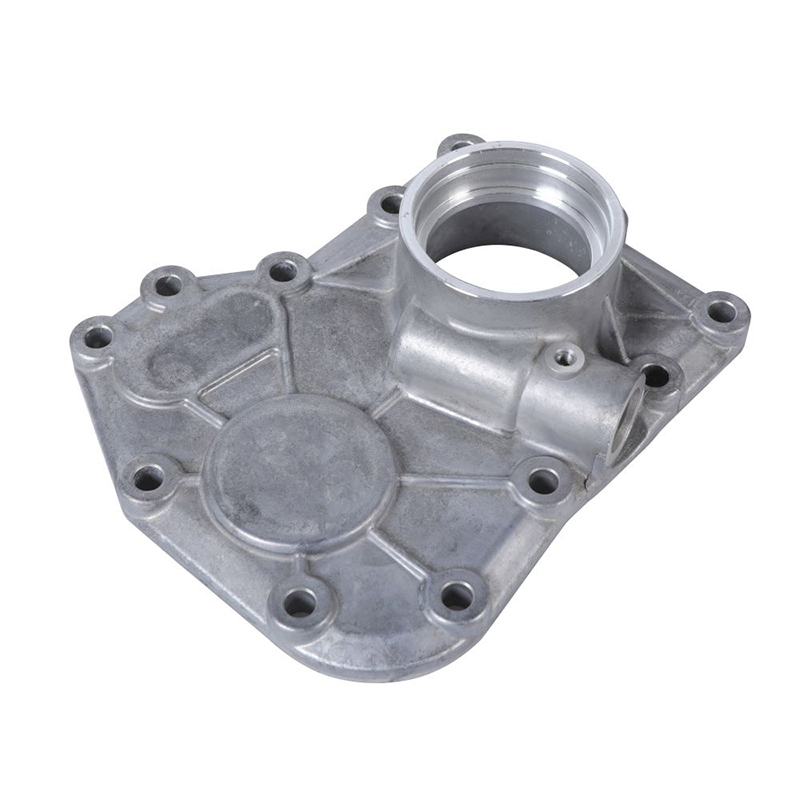
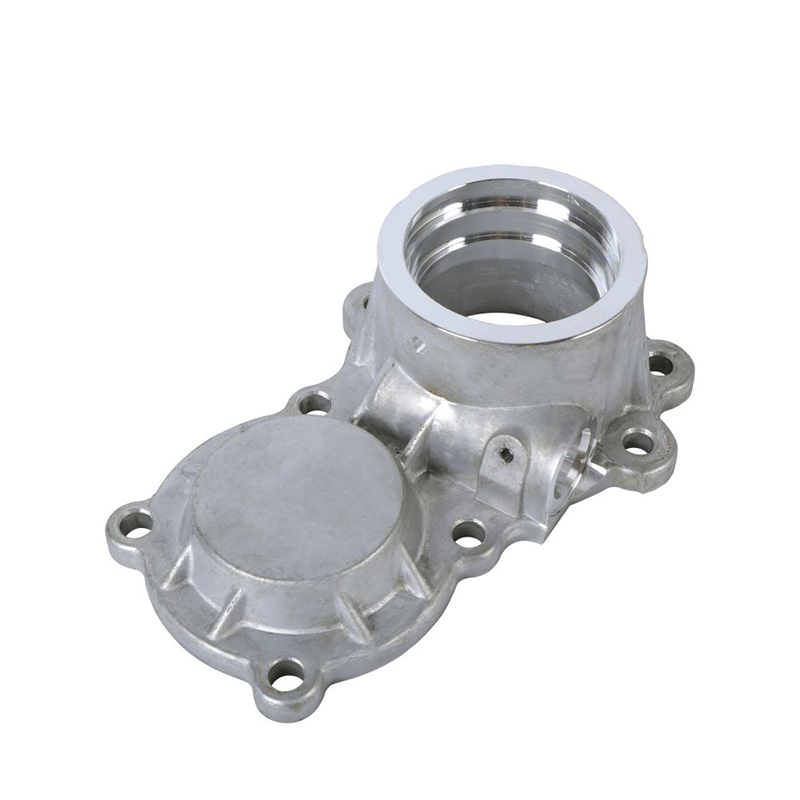
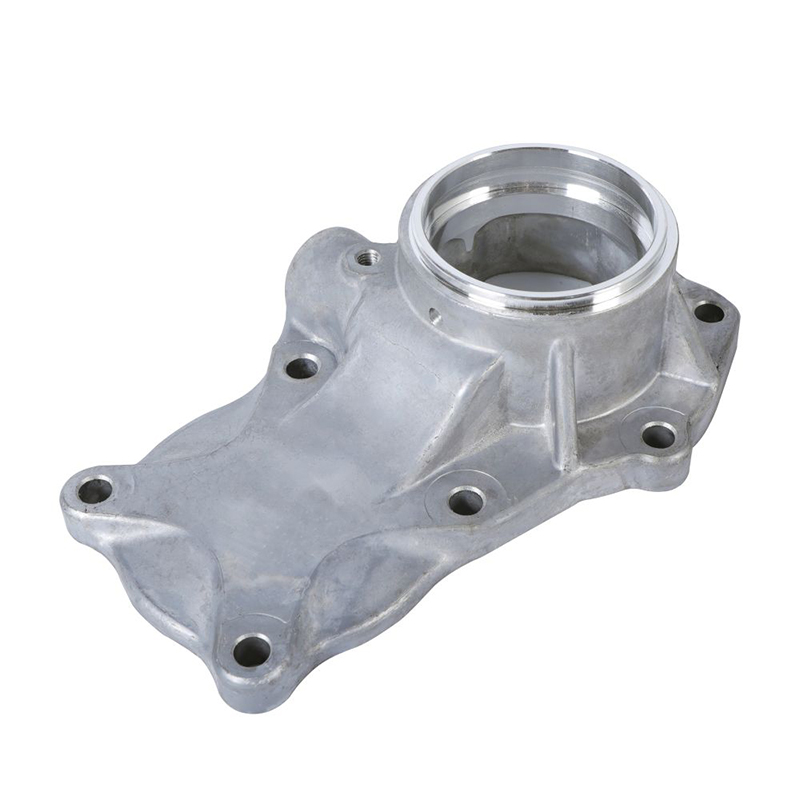
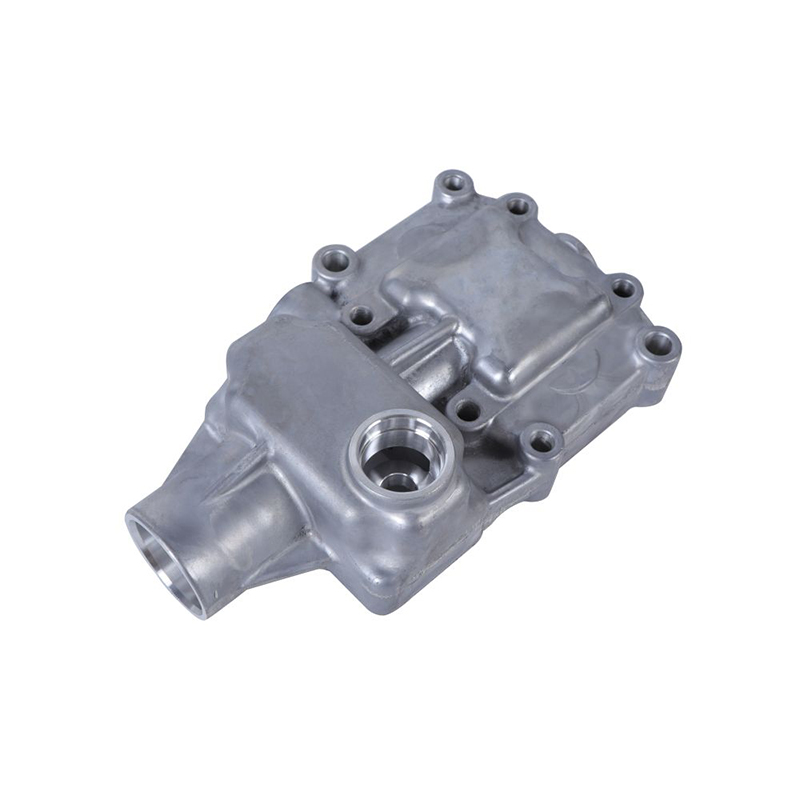
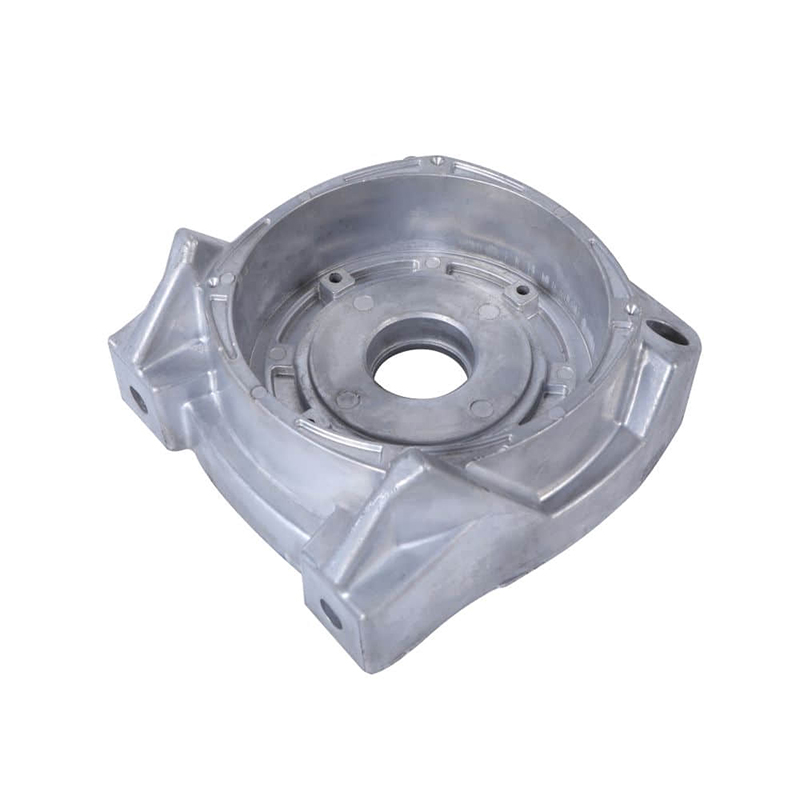
A Front Cover is usually one of the aluminum components inspected after casting because it serves as a reference point for subsequent operations. Machining, bearing installation, housing alignment, and final motor assembly all depend on the dimensional consistency established at this stage. For manufacturers producing large batches, checking the acceptable part is never considered enough. The objective is to keep the same quality level from the casting to the last pallet.
Another term frequently used in engineering discussions is "aluminum front housing," particularly when production teams compare casting quality with subsequent machining results.
The Inspection Is Only The Beginning
When a production shift starts, operators do not immediately allow every casting to continue toward machining.
The Front Cover usually receives additional attention.
Dimensions are measured.
Reference surfaces are checked.
Visible casting defects are reviewed.
This early inspection is important because the tooling temperature has only recently reached normal operating conditions.
If small dimensional variation appears at this point, correcting the process immediately is far easier than discovering the same issue several hundred parts later.
Experienced supervisors often describe the inspection as establishing the day's production rhythm rather than simply approving one component.

Small Deviations Can Spread Quietly
Production equipment rarely changes suddenly.
Most variation develops gradually.
A tool surface wears a little more.
Cooling conditions shift slightly.
A release agent is applied unevenly.
Each change may appear insignificant on its own.
However, if those changes continue unnoticed, the following Front Cover components may begin showing dimensional drift.
That is why sampling continues throughout the shift instead of ending after the article approval.
Continuous inspection helps manufacturers identify gradual changes before they influence machining accuracy or assembly consistency.
For an aluminum front housing, maintaining repeatable dimensions often reduces unnecessary adjustments during later production stages.
Machining Depends On Stable Reference Surfaces
Casting creates the basic shape.
Machining creates the final precision.
If the original casting remains stable, machining fixtures can position every Front Cover in the same way throughout the production run.
When reference surfaces vary, machine operators may spend additional time correcting positioning before cutting begins.
Those extra adjustments slow production and increase process variation.
Engineers therefore pay close attention to casting quality because stable incoming parts help machining departments maintain repeatable accuracy from batch to batch.
The relationship between casting and machining is continuous rather than independent.
Quality Checks Continue During The Shift
Inspection does not interrupt production.
It moves alongside production.
Operators remove selected samples.
Inspectors compare measurements.
Production continues while results are reviewed.
Typical workshop records remain brief.
article approved
dimensional sample completed
reference surface verified
production continued after inspection
Although these notes are short, they provide valuable information when quality engineers review long production runs.
Instead of depending on memory, they compare inspection history with machine performance and tooling maintenance records.
Assembly Quality Starts Earlier Than Assembly
Many people associate quality with the final inspection.
Motor manufacturers often see it differently.
Assembly quality begins much earlier.
A Front Cover with stable dimensions helps bearings seat correctly.
Mounting surfaces remain aligned.
Housing connections fit consistently.
Workers spend less time making manual corrections because every component follows the same dimensional standard.
This consistency supports smoother assembly while reducing unnecessary variation between finished motors.
For an aluminum front housing, stable casting quality therefore influences more than one production department.
Repeated Inspection Builds Reliable Production
One successful casting proves very little.
Five thousand consistent castings tell a different story.
Throughout long production runs, engineers continue comparing inspection results instead of relying on isolated measurements.
The Front Cover gradually builds its quality history through routine sampling, machining feedback, and assembly observations collected across ordinary factory operation.
Rather than waiting until finished motors reveal a problem, manufacturers use repeated inspection to keep process variation under control. In practice, the quality of an aluminum front housing is shaped by many small verification steps completed throughout production, allowing the final assembly process to remain stable long before the motor reaches its last inspection station.