EN
 English
 中文简体
 Deutsch
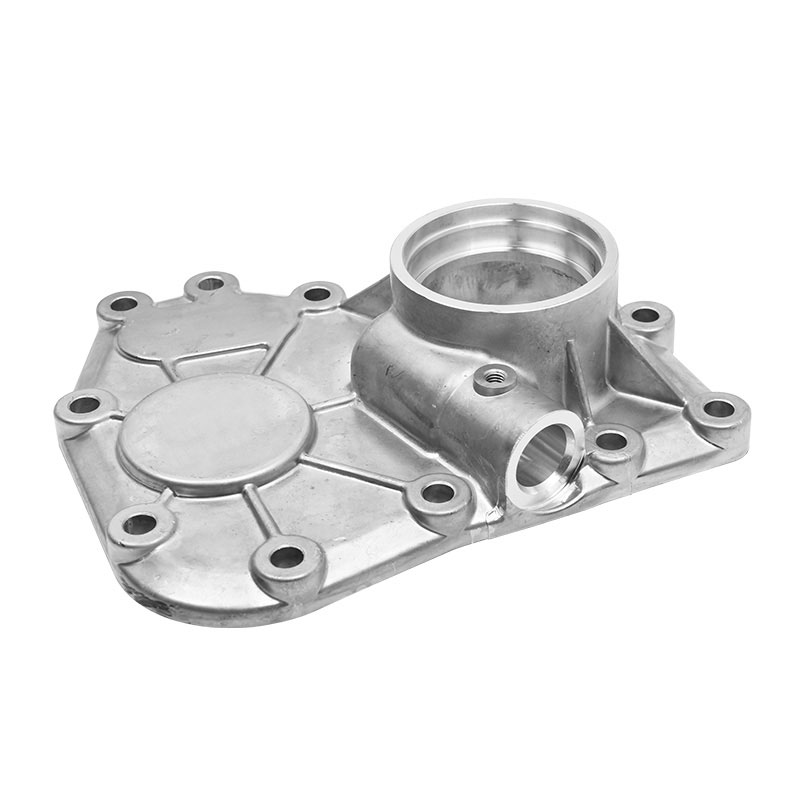
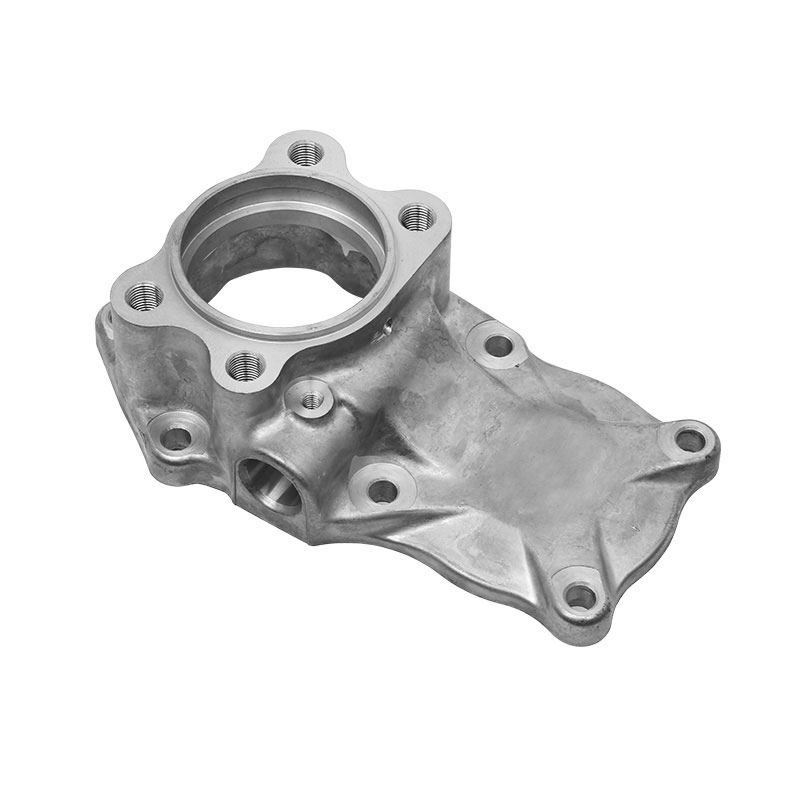
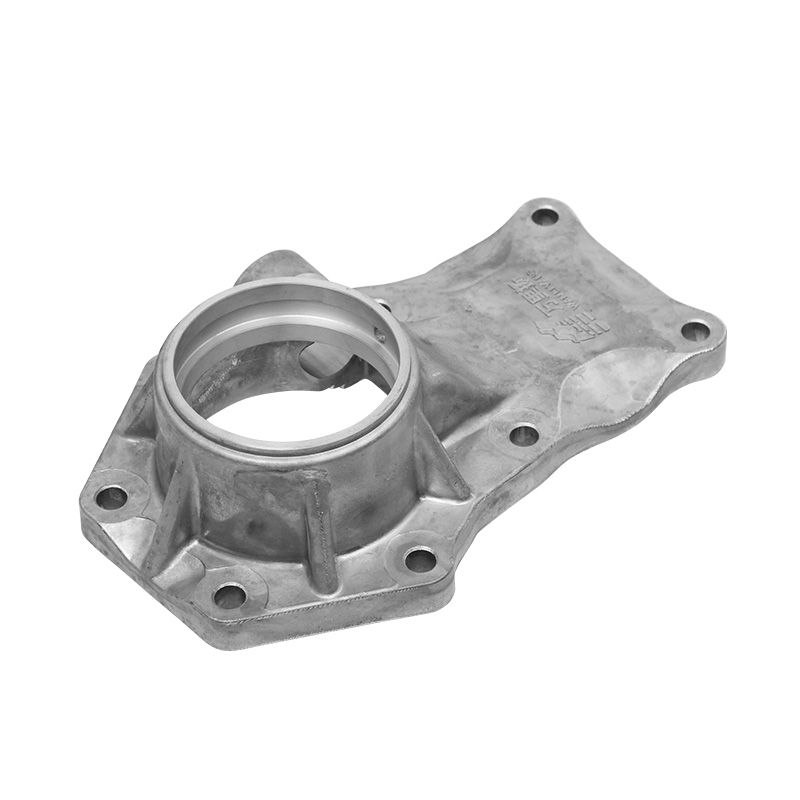
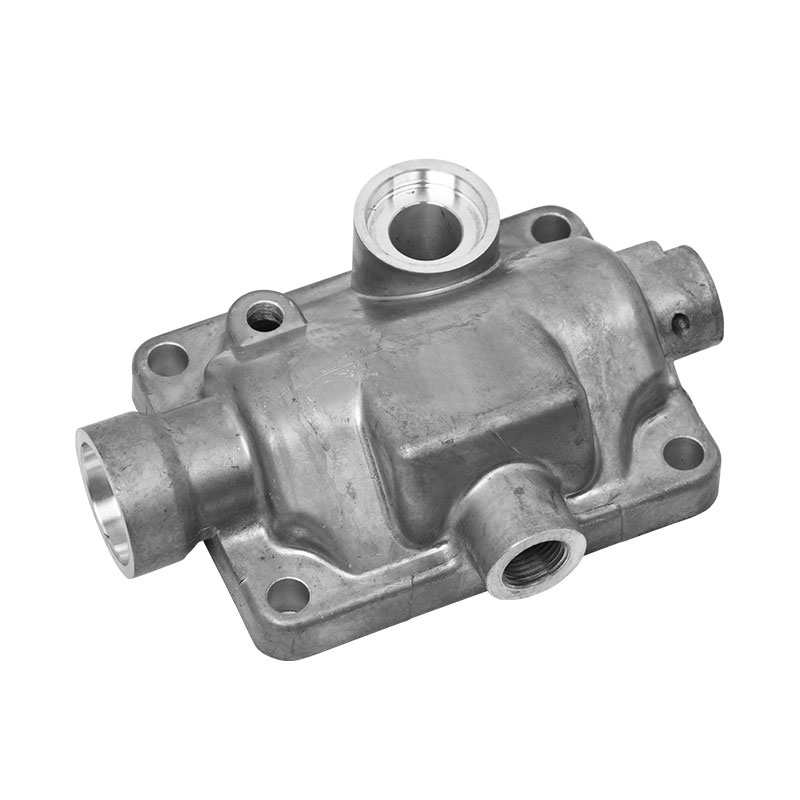
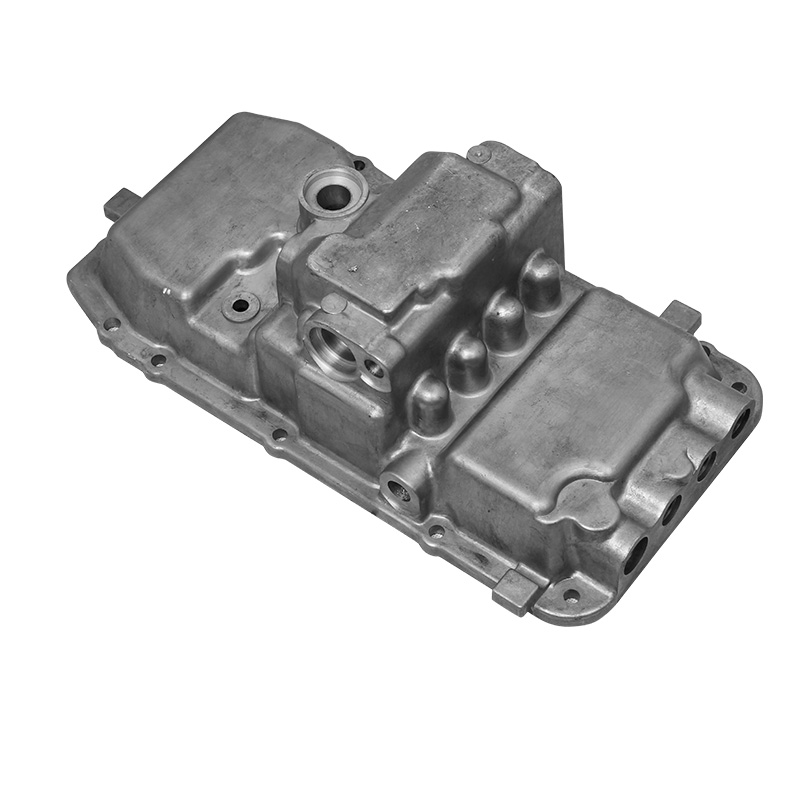
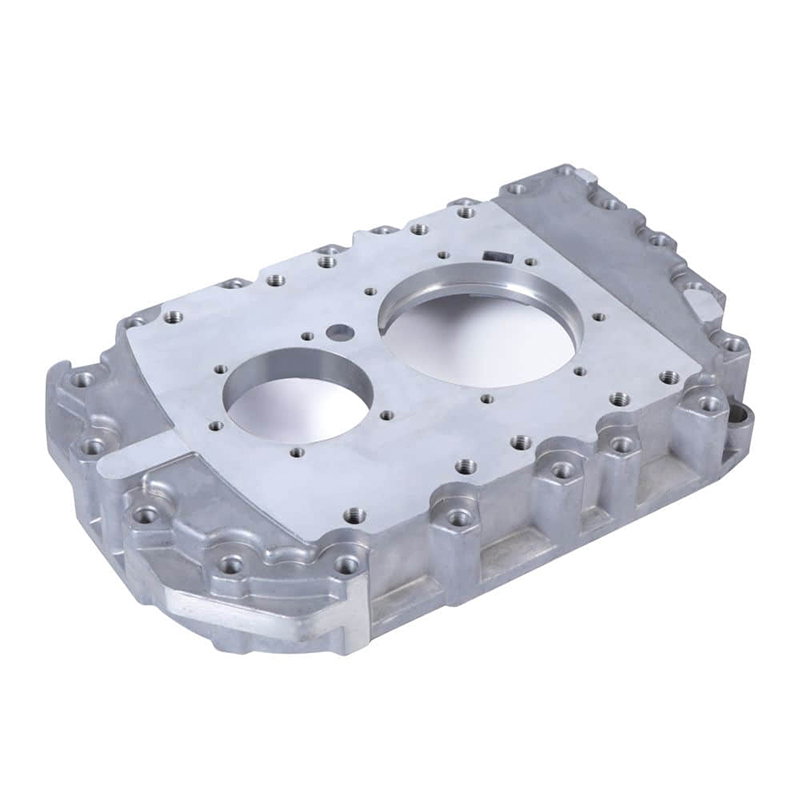
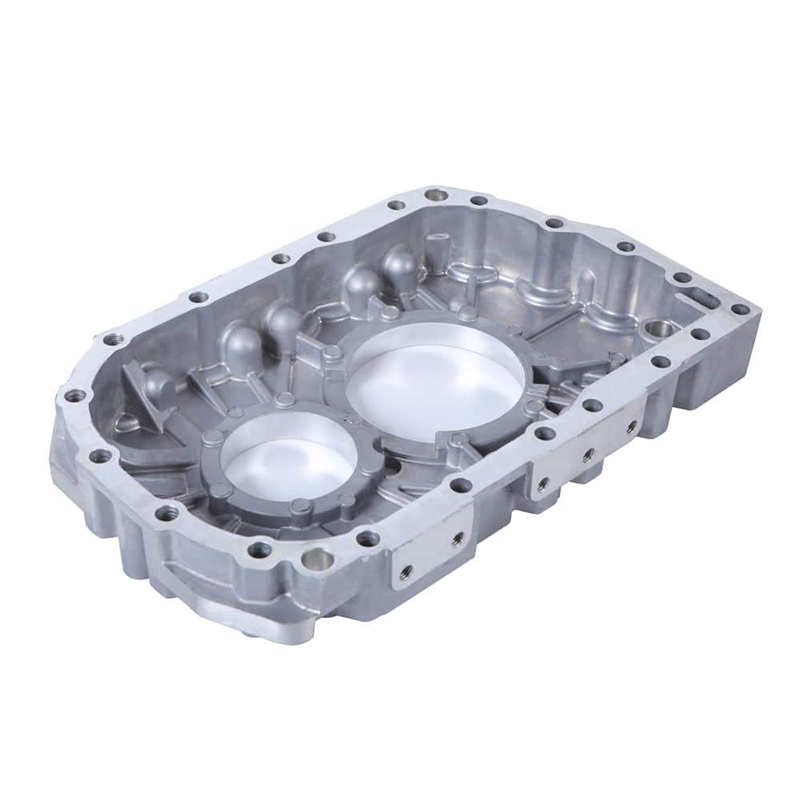
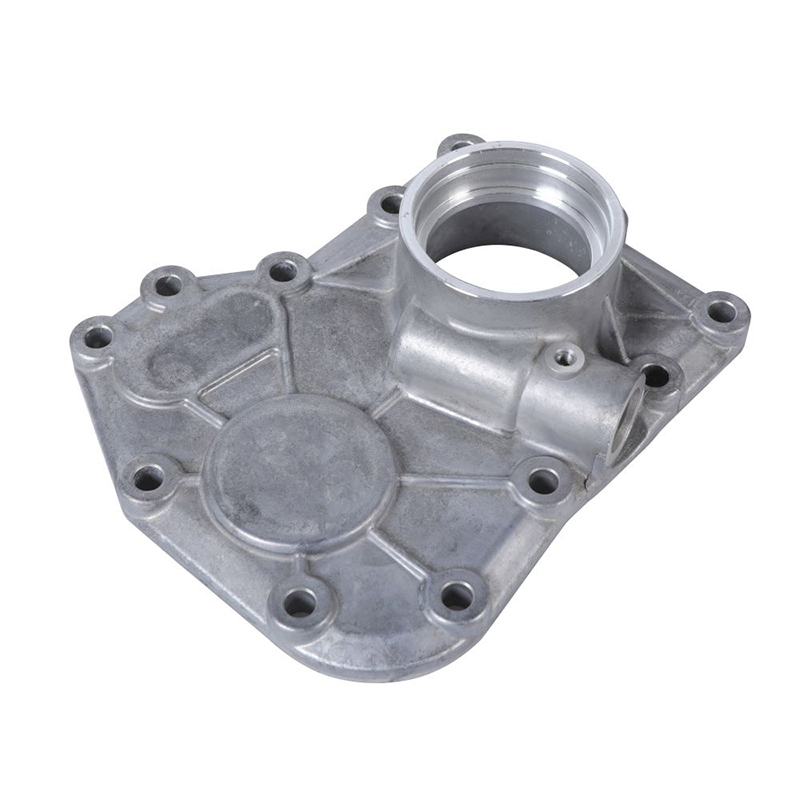
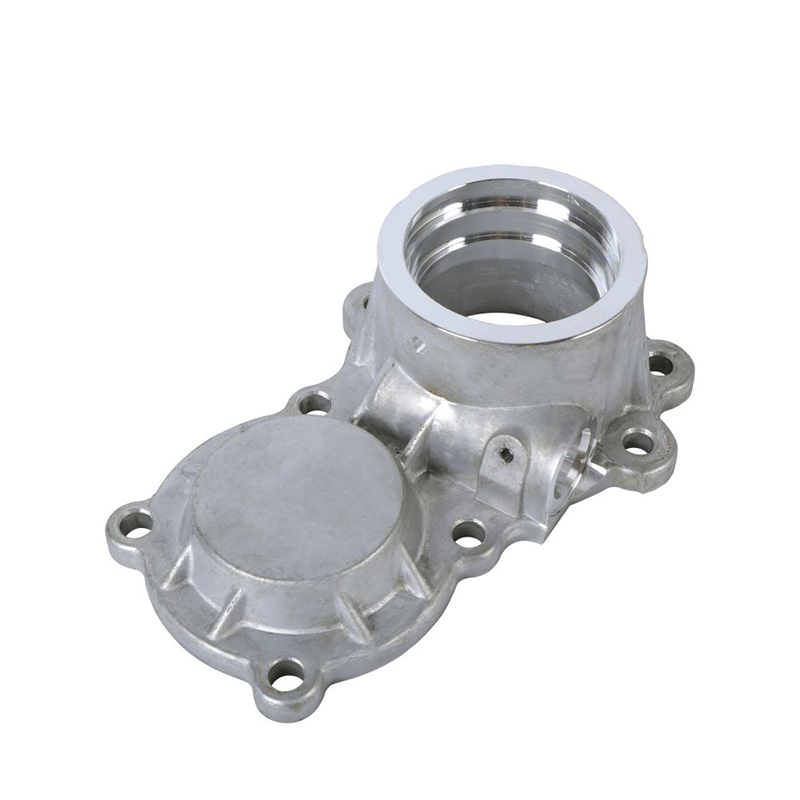
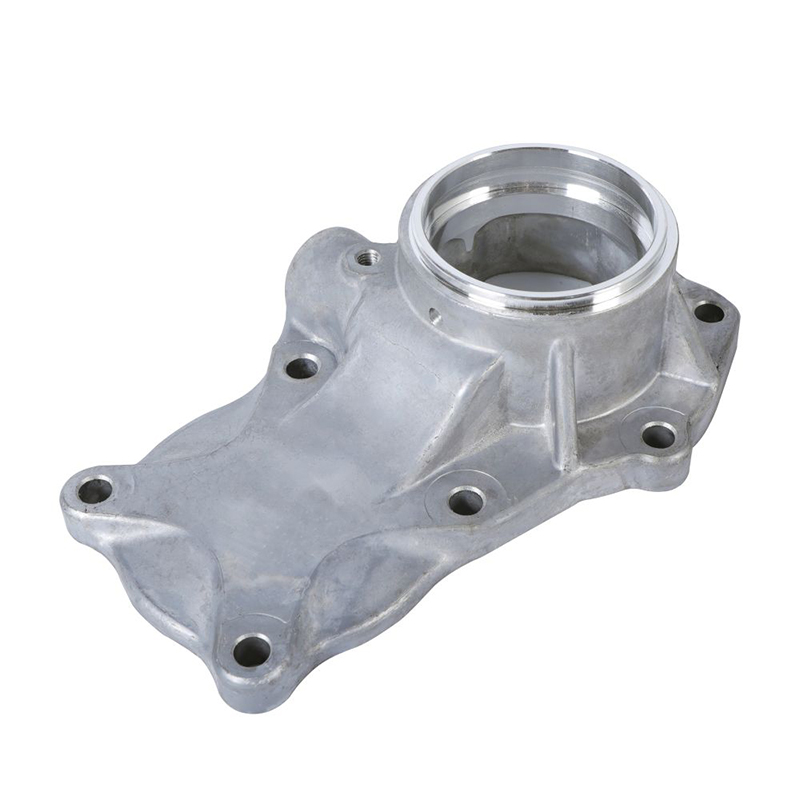
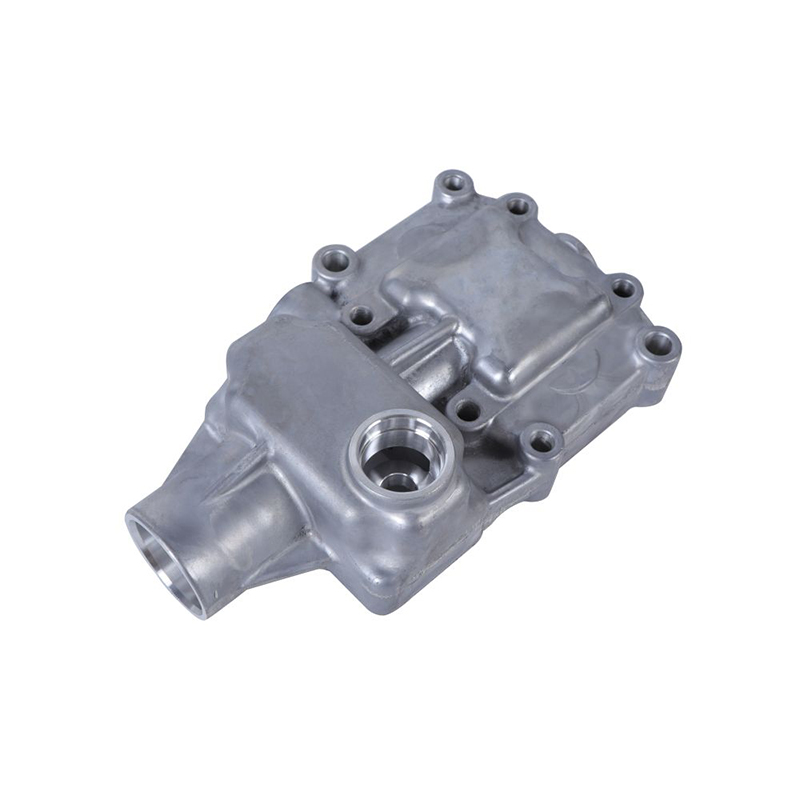
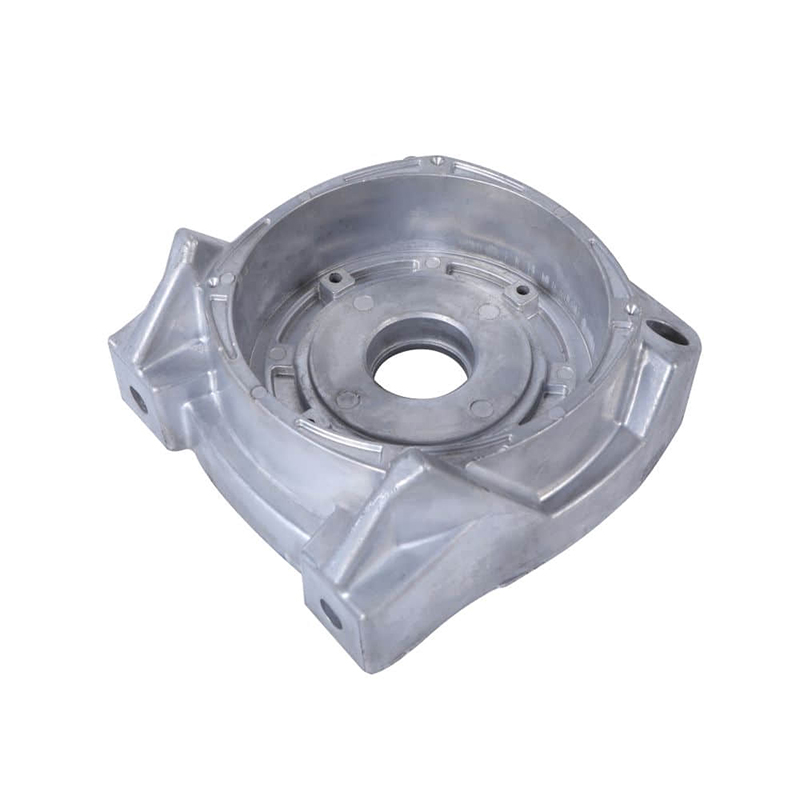
A Motor Aluminum Die Casting Parts rarely enters production as an isolated component. Before the casting cycle begins, engineers have already reviewed tooling drawings, production capacity, machining allowance, and dimensional inspection plans. For manufacturers supplying electric motors in large quantities, production stability often becomes a more important discussion than output because thousands of identical components are expected to leave the production line every week.
Another phrase frequently appearing during purchasing communication is aluminum die casting, especially when buyers compare long-term manufacturing capability instead of evaluating only one production sample.
Stability Begins Before Casting Starts
The casting machine is only one part of the process.
Die preparation comes.
Temperature is checked.
Tooling is cleaned.
Production parameters are confirmed.
Operators usually spend considerable time preparing before molten aluminum reaches the mold.
Motor Aluminum Die Casting Parts depends on these repeated preparation steps because consistency begins long before the component is produced.
Experienced production supervisors rarely judge quality based on a single casting cycle.
Instead, they compare results throughout an entire production shift.
Small differences become easier to identify after hundreds of identical parts leave the machine.

Production Rhythm Matters
Large manufacturing plants rarely stop after one batch.
Machines continue operating.
Inspection follows.
Finished parts move forward.
New material enters the line.
This rhythm repeats throughout the day.
Within this process, an aluminum die casting production line develops its own operating pattern.
Operators notice changes immediately.
Cycle time becomes slightly longer.
Cooling intervals change.
Tool cleaning happens more frequently.
These observations are recorded because they help explain production conditions without interrupting manufacturing.
Inspection Happens Throughout The Shift
Quality inspection is not reserved for the end of production.
Measurements appear continuously.
First-piece inspection.
Random sampling.
Dimensional verification.
Surface examination.
Motor Aluminum Die Casting Parts is usually checked several times before reaching the machining department.
Production engineers compare measurements collected throughout the day instead of relying only on the acceptable sample.
This approach helps identify gradual process variation before it influences larger production volumes.
The related aluminum die casting process, therefore remains under continuous observation instead of periodic review.
Workshop Records Stay Practical
Factory records usually remain concise.
article approved
tooling cleaned during scheduled stop
dimensional sampling completed
Production continued after inspection
Although simple, these records allow engineers to compare different production days without reviewing every individual casting.
Maintenance personnel also use them when planning future tooling service.
Long Production Runs Build Real Experience
Short demonstrations rarely represent factory conditions.
Actual manufacturing continues for hours.
Sometimes days.
Sometimes several weeks.
During these production periods, engineers observe machine behavior, tooling condition, inspection frequency, and operator feedback together.
A Motor Aluminum Die Casting Parts gradually build a production history through ordinary manufacturing activity rather than isolated laboratory testing.
The same applies to the accompanying aluminum die casting process, where stable operation is developed through repeated casting cycles, routine inspection, and accumulated workshop experience. Instead of depending on one successful batch, manufacturers evaluate production consistency across long operating periods, allowing future scheduling, tooling maintenance, and customer deliveries to follow predictable manufacturing patterns.