EN
 English
 中文简体
 Deutsch
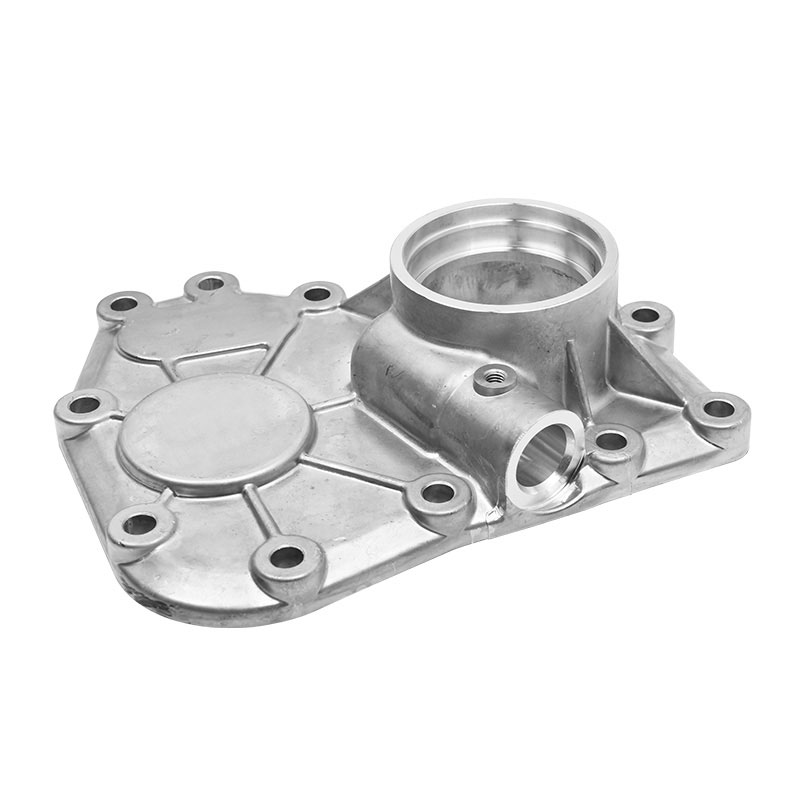
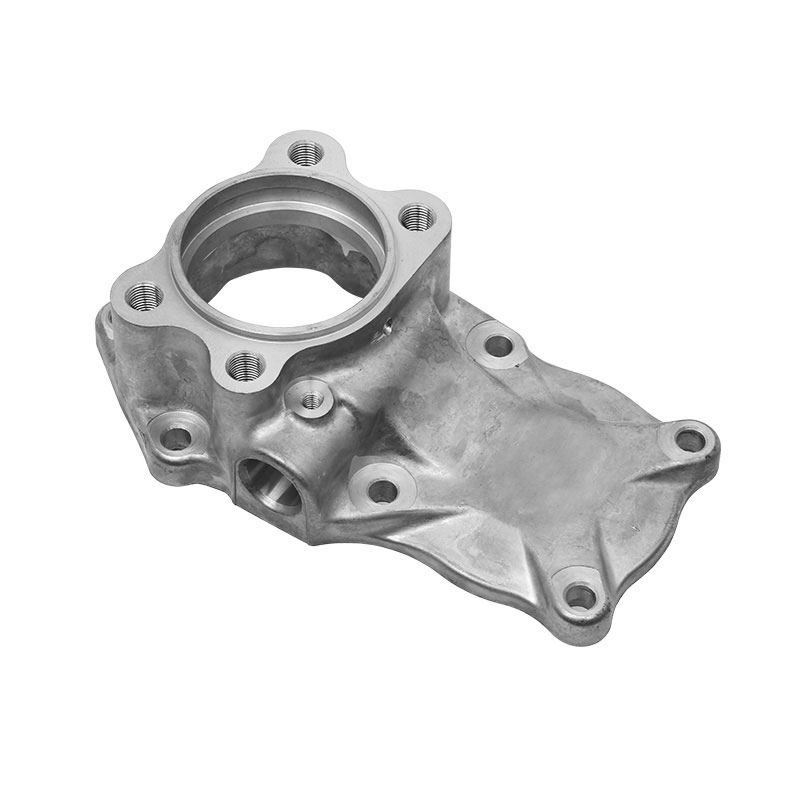
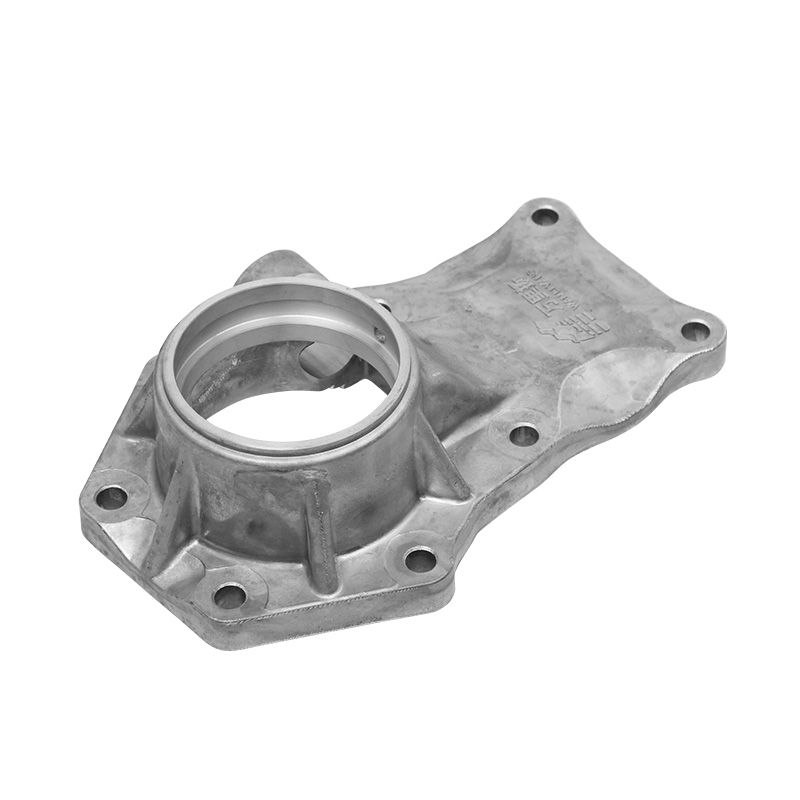
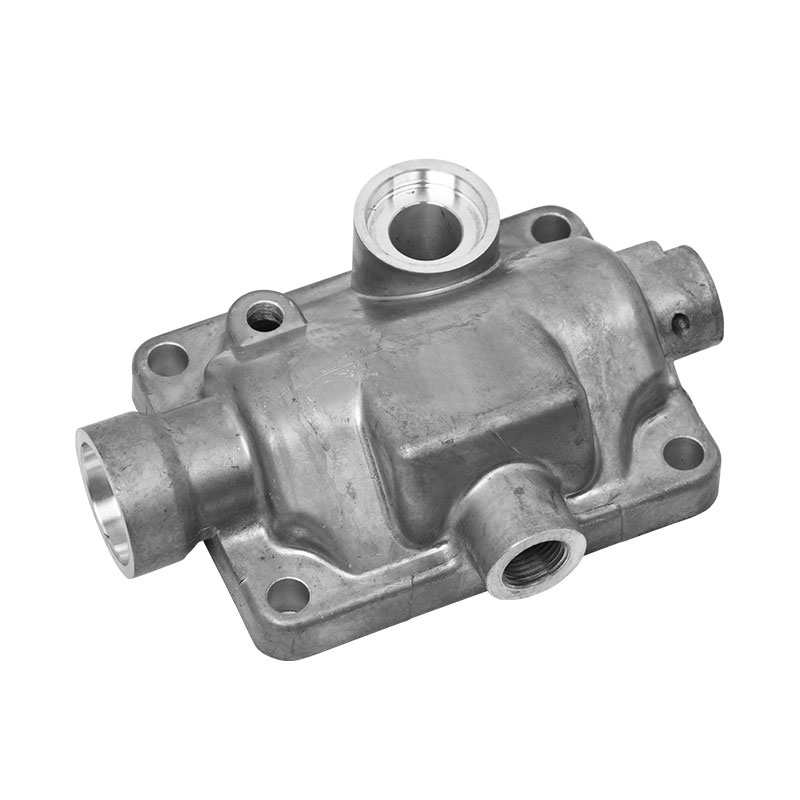
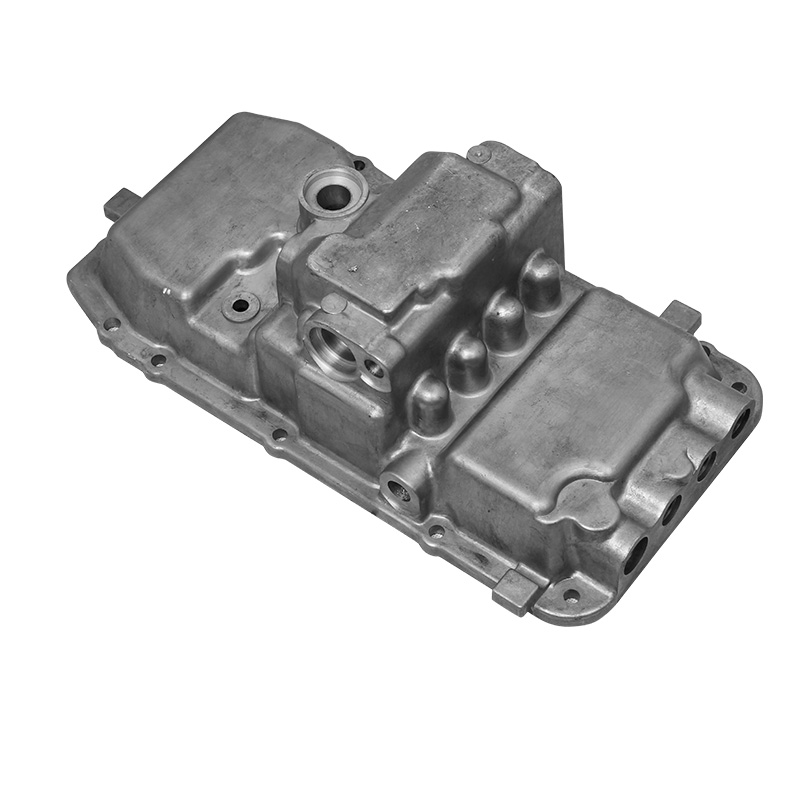
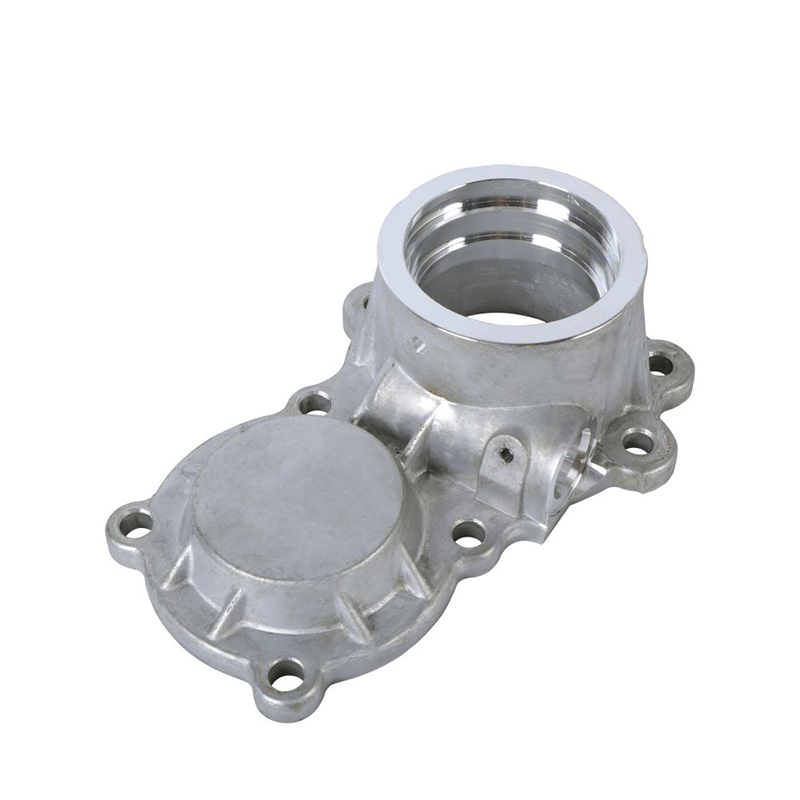
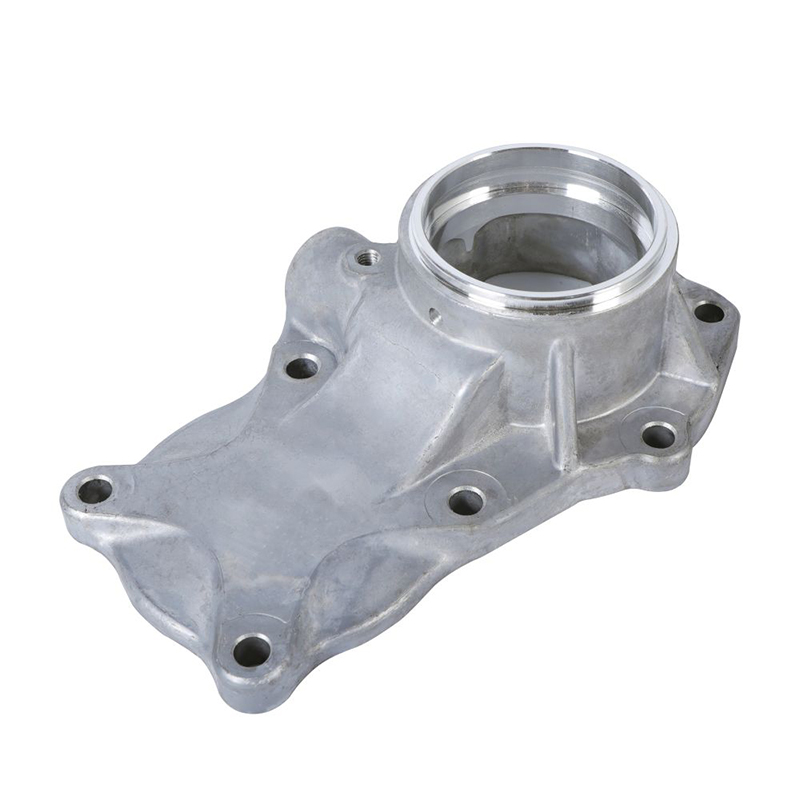
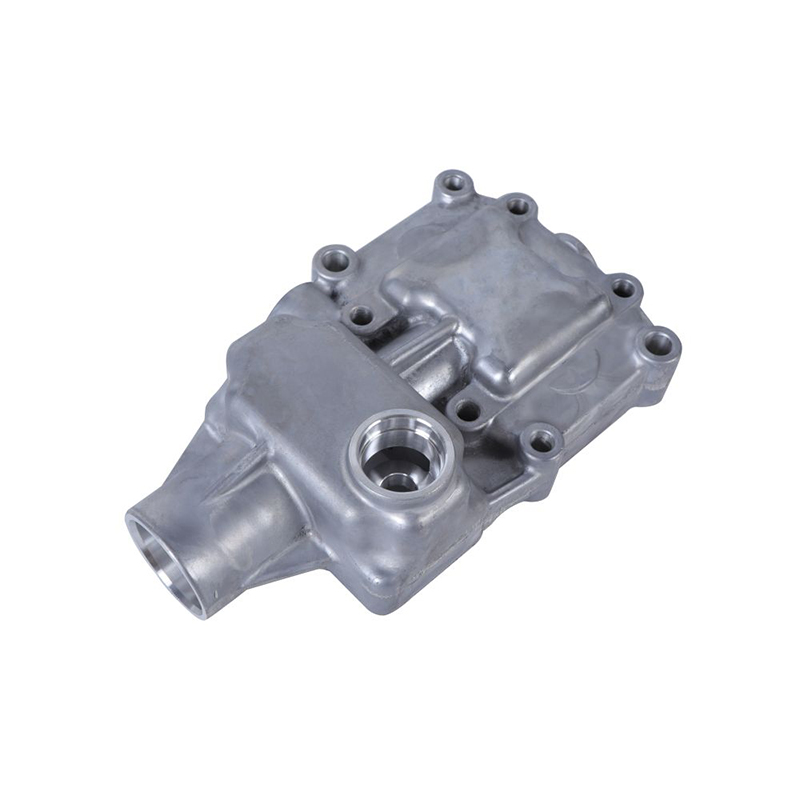
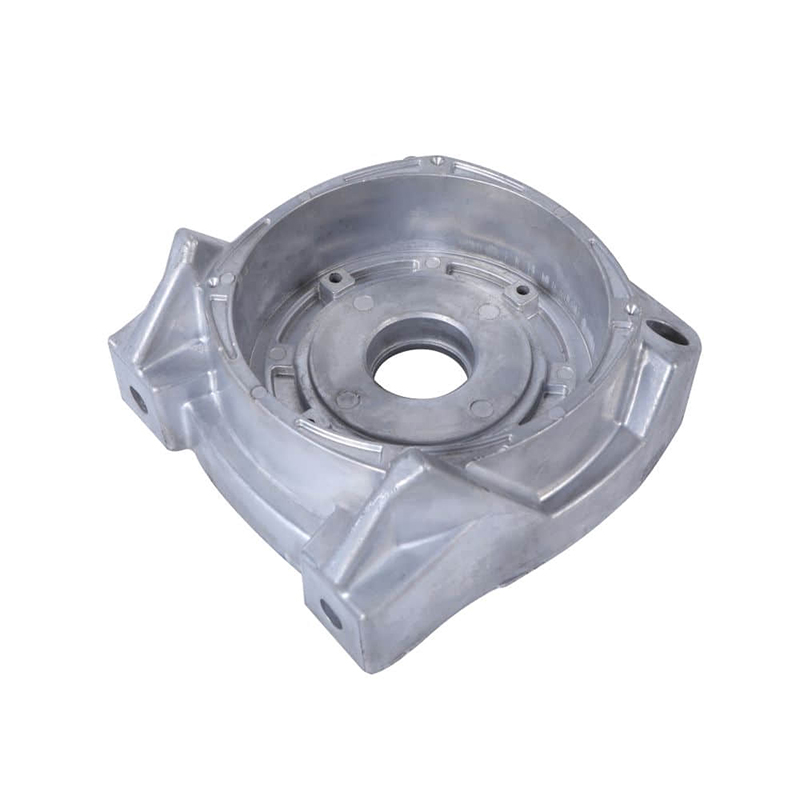
A photovoltaic inverter has to handle electrical conversion and the heat generated during operation at the same time. That puts particular demands on the metal components surrounding the internal electronics. The housing and related cast parts need enough structural rigidity for assembly, while their shape, wall thickness, and contact areas can also influence how heat moves through the finished unit. For manufacturers developing these components, Photovoltaic Inverter Aluminum Die Casting Parts are often designed around several requirements at once rather than treated as simple protective shells.
Aluminum Is Chosen With The Casting Design
Aluminum is widely used for cast components where weight, thermal properties, and structural requirements need to be balanced. In photovoltaic inverter applications, the alloy is only one part of that decision. The shape of the casting has just as much influence on how the material behaves during production and in the finished assembly.
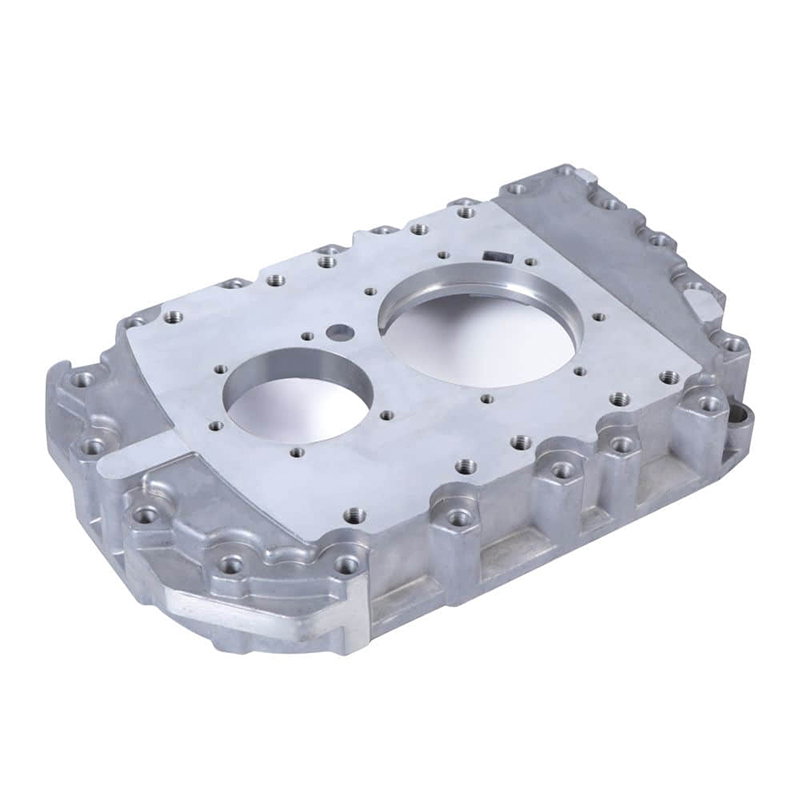
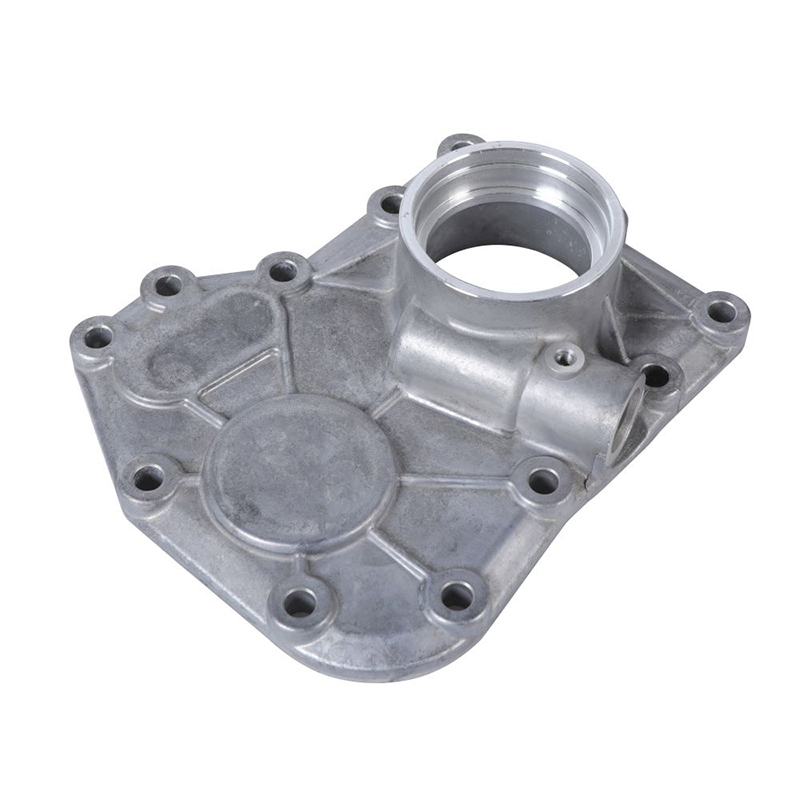
Wuxing Power lists ADC12 aluminum alloy for its photovoltaic inverter casting products. The company uses cold-chamber die casting and provides secondary processes including drilling, tapping, polishing, and surface treatment. The listed products include upper and lower case components for photovoltaic inverters.
ADC12 is commonly used for die-cast aluminum components because it offers casting characteristics suited to relatively complex shapes. Once the component drawing is established, however, the production team still needs to work around wall thickness, ribs, bosses, holes, and other features. These details determine how the molten alloy enters and fills the mold and where additional machining may be required.
Where Geometry Enters The Picture

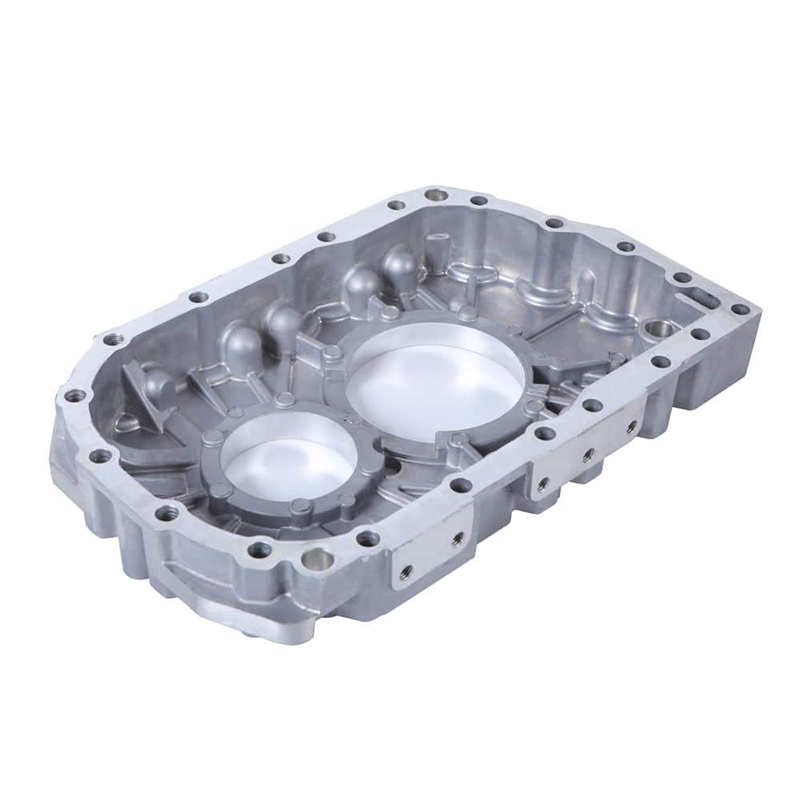
An inverter casting may contain mounting points, reinforcing ribs, openings, and interfaces for other components. Producing these features as part of a die-cast body can reduce the number of separate pieces in an assembly, but it also makes mold design more involved.
Wall thickness deserves particular attention. Large differences between thin and thick sections can affect solidification and may create areas that require additional process control. Ribs can add rigidity without simply making the entire casting heavier, while bosses provide locations for fasteners or other assembly features.
The same principle applies to heat-related areas. If a casting forms part of an enclosure around heat-generating electronics, its external and internal geometry can be developed with the overall thermal arrangement in mind. The casting itself is not responsible for the complete thermal performance of an inverter, but its shape and contact surfaces form part of the physical system.
That is why a drawing review before tooling often covers more than dimensions. Draft angles, parting lines, gate locations, machining allowances, and areas with tighter tolerances all need to work together.
From Casting Blank To Finished Component
The die-casting machine produces the basic metal form, but the casting that comes out of the mold is not necessarily the finished component.
Excess material from the casting process may need to be removed before later operations. Holes and threaded features can then be drilled or tapped, while selected surfaces may receive polishing or another finishing process. For components that have to fit with other inverter parts, these secondary operations can be just as relevant as the initial casting.
Wuxing Power describes its photovoltaic inverter products as customizable according to customer drawings or samples. Its manufacturing services cover aluminum alloy die casting together with CNC precision machining and other secondary processes.
The division between cast dimensions and machined dimensions is important here. A hole that only needs to provide clearance can often be treated differently from a threaded hole or locating surface that has to meet a specified tolerance. Leaving the appropriate machining allowance during mold development gives the later process room to bring those features to their final dimensions.
Surface Treatment Is Part Of The Specification
The appearance of an aluminum casting can change considerably after finishing. As-cast surfaces, polished areas, blasted surfaces, and coated surfaces have different visual and functional characteristics.
For an inverter enclosure, surface treatment may also be specified according to the intended operating environment and product design. The required finish should therefore be defined alongside the component drawing rather than added as an afterthought.
Wuxing Power lists polishing and spray-related processing for its photovoltaic inverter aluminum castings. The final treatment can be matched to the customer's product requirements, while the underlying casting still needs to maintain the dimensional features required for assembly.
Keeping Castings Consistent In Volume Production
Once a photovoltaic inverter component moves from sample development into repeated production, consistency becomes a practical manufacturing issue. The mold, die-casting process, machining operations, and inspection procedure all contribute to the condition of each batch.
For Photovoltaic Inverter Aluminum Die Casting Parts, critical areas can include mounting-hole positions, overall dimensions, machined interfaces, threaded sections, and surfaces that connect with other housing components. A casting may look consistent externally while a small dimensional variation at one of these interfaces creates difficulty during assembly.
Wuxing Power states that it carries out inspection after corresponding production processes when manufacturing customized castings according to customer drawings or samples. Its broader production capabilities include die casting, mold manufacturing, CNC precision machining, and inspection equipment.
For inverter manufacturers developing a new casting, the initial sample consequently provides more than an appearance check. It establishes the relationship between the mold, the casting blank, machining operations, surface treatment, and the dimensions of the finished component. Once those details are fixed, the same production route can be carried into subsequent batches of Photovoltaic Inverter Aluminum Die Casting Parts, with inspection focused on the features that matter to the completed inverter assembly.