EN
 English
 中文简体
 Deutsch
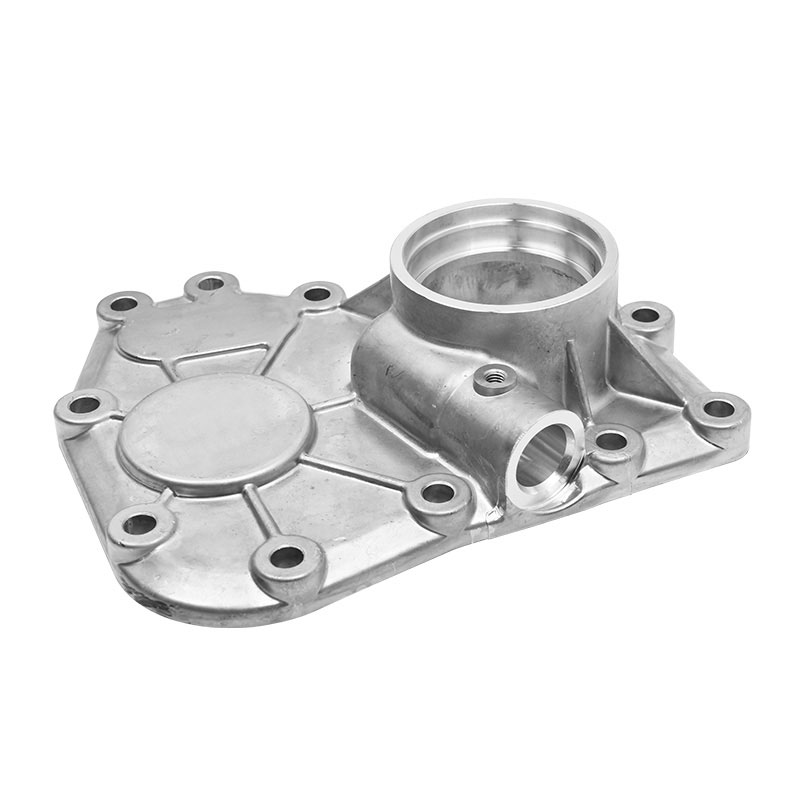
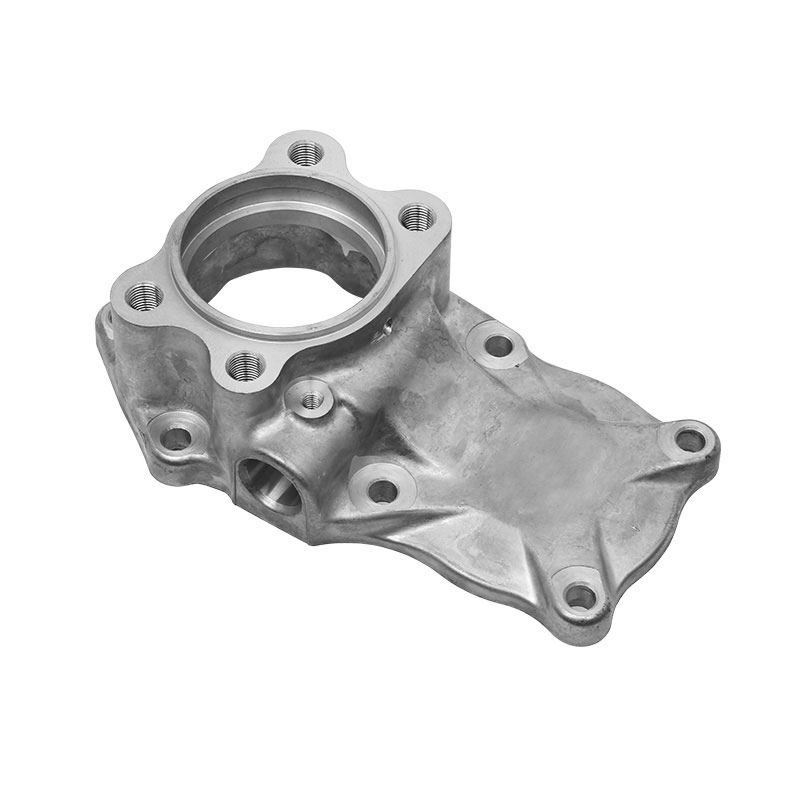
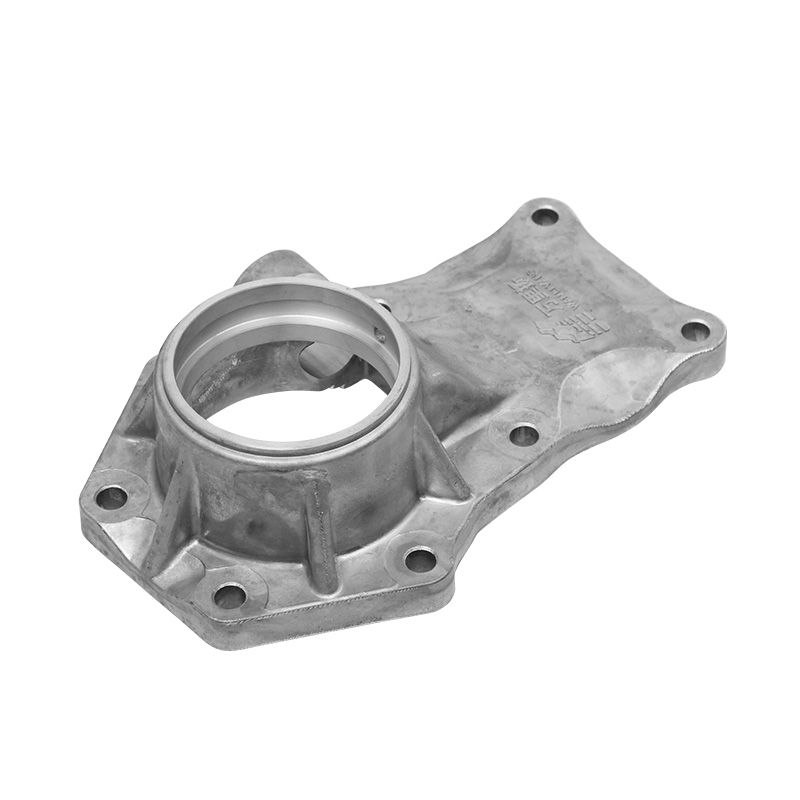
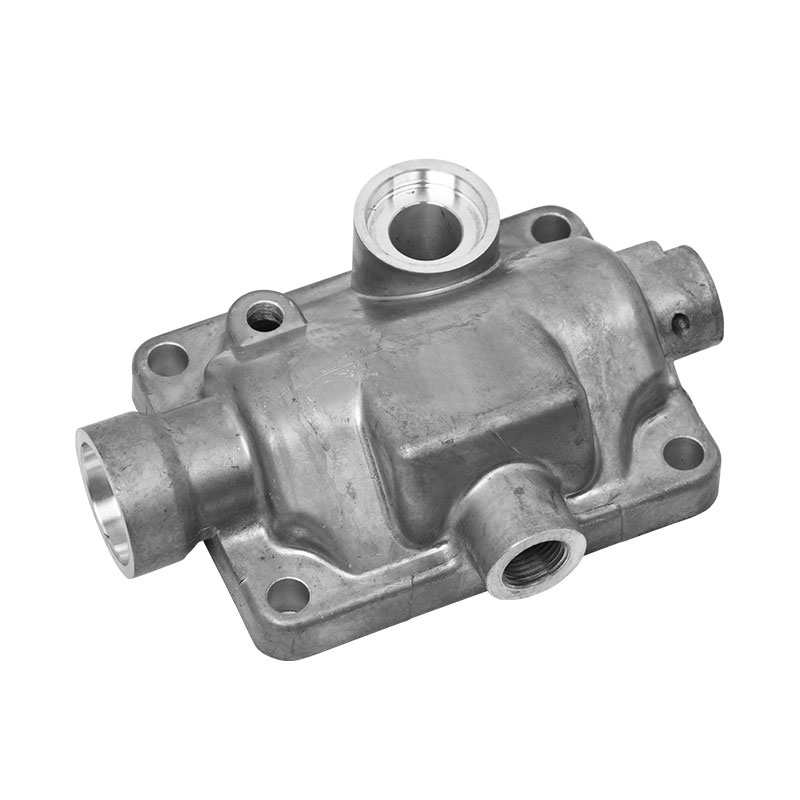
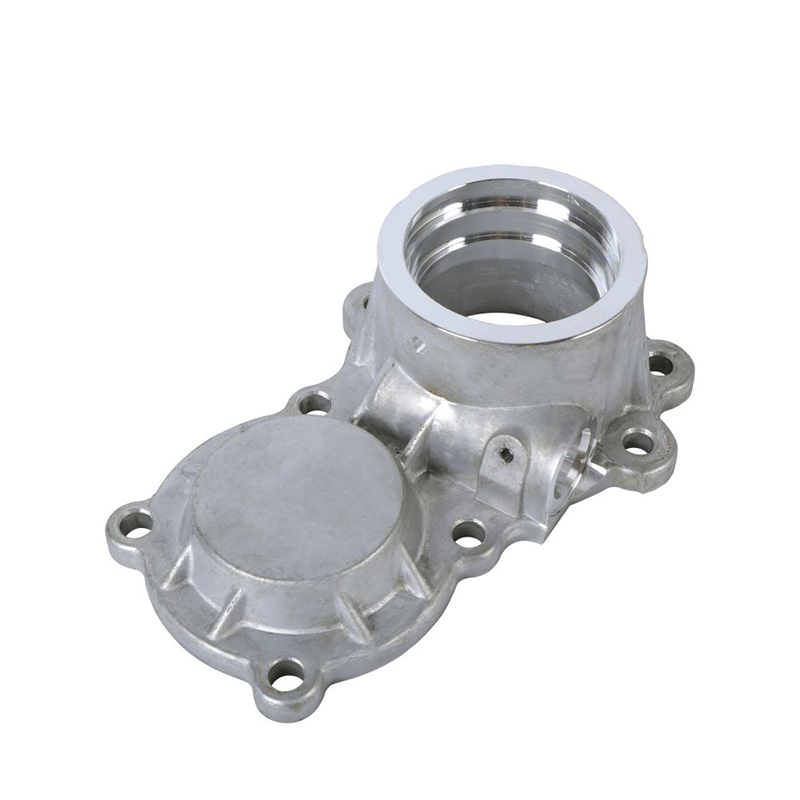
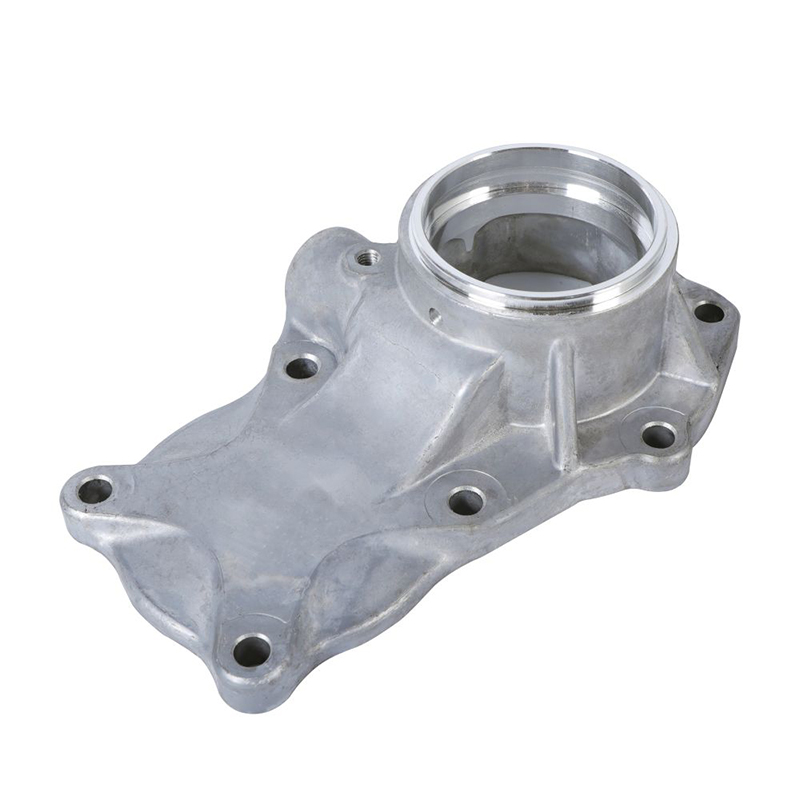
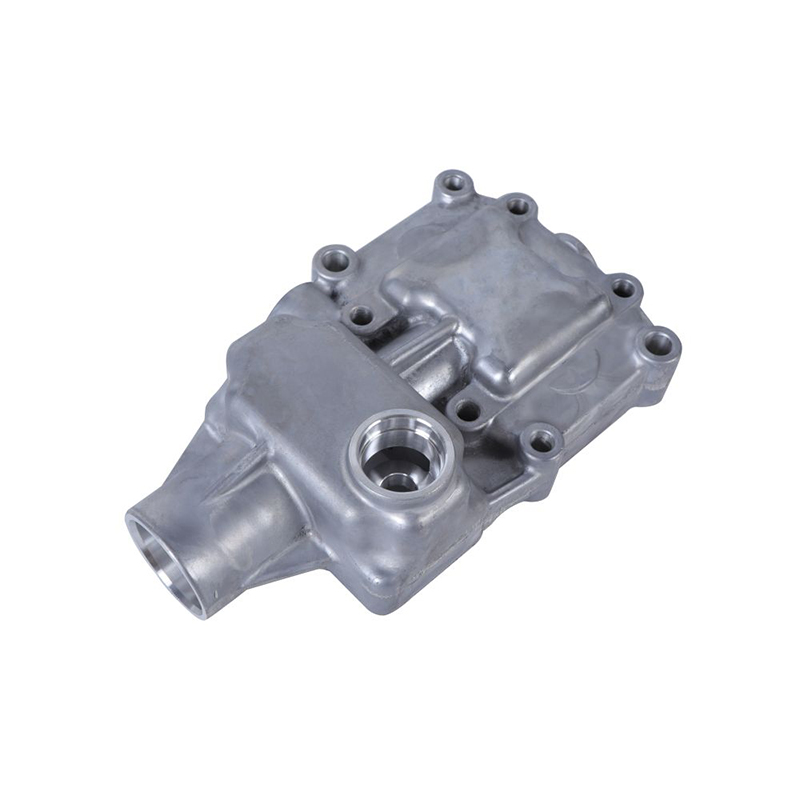
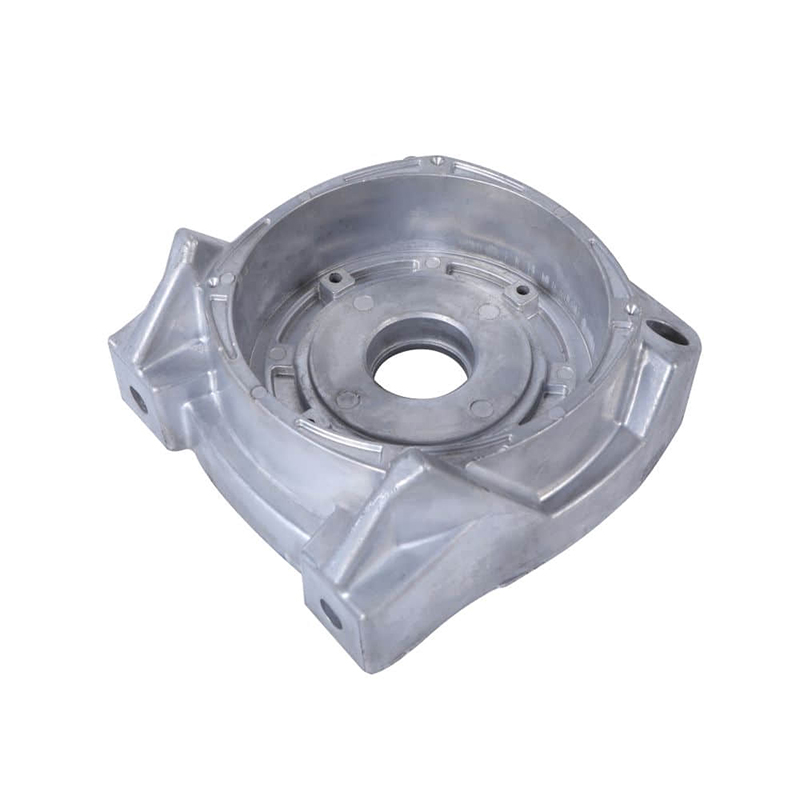
As the global automotive industry accelerates its transition toward electrification, the demand for advanced lightweight components is redefining engineering priorities. Among the critical components in this transformation are Motor Aluminum Die Casting Parts, which are becoming foundational elements in electric vehicle (EV) powertrain design. From motor housings to stator frames, Motor Aluminum Die Casting Parts are increasingly shaping how EVs are built and how efficiently they operate.
The Role of Motor Aluminum Die Casting Parts in EVs
Electric vehicle motors generate high torque and rotational speeds while operating under elevated temperatures. This makes thermal management, structural rigidity, and weight optimization essential. Motor Aluminum Die Casting Parts meet these requirements by offering a balance between strength, heat dissipation, and low weight.
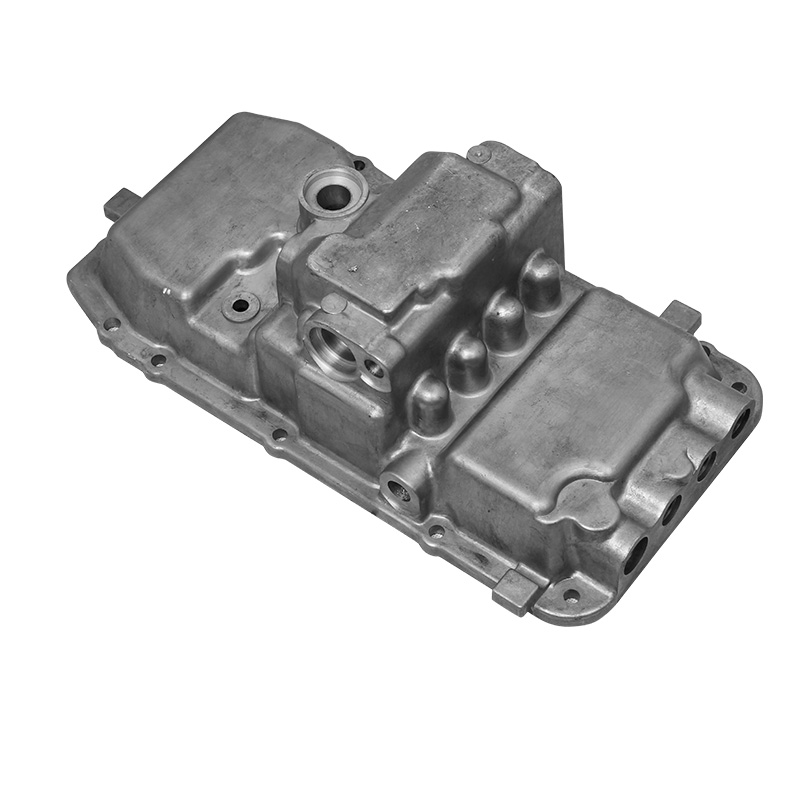
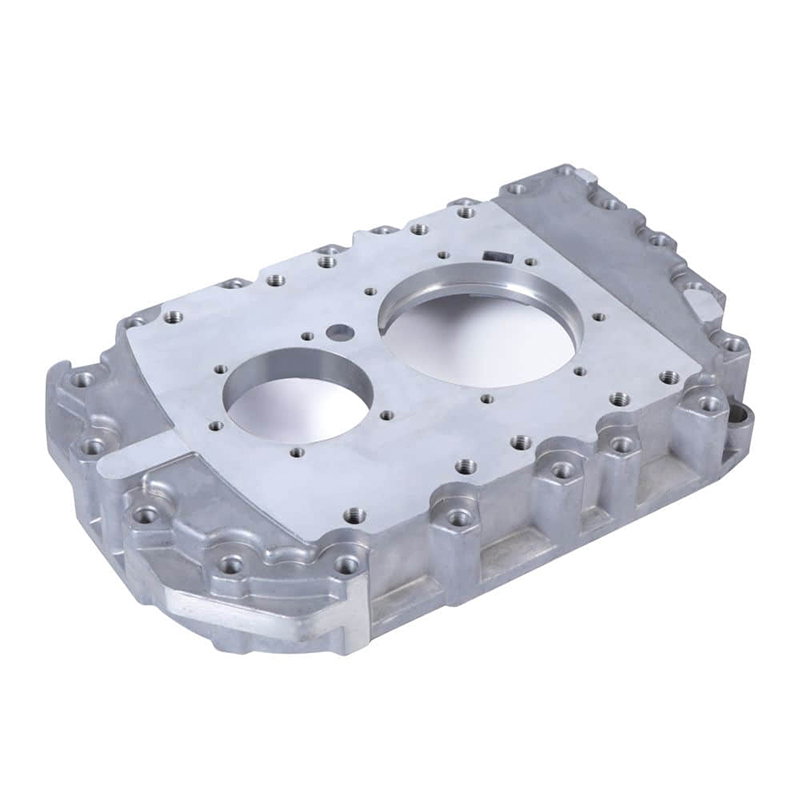
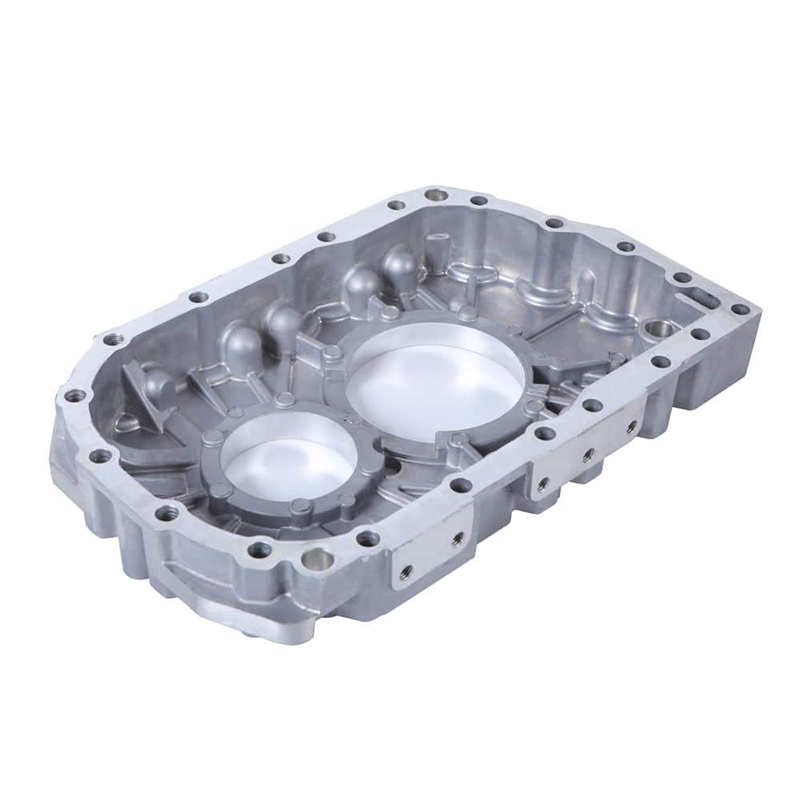
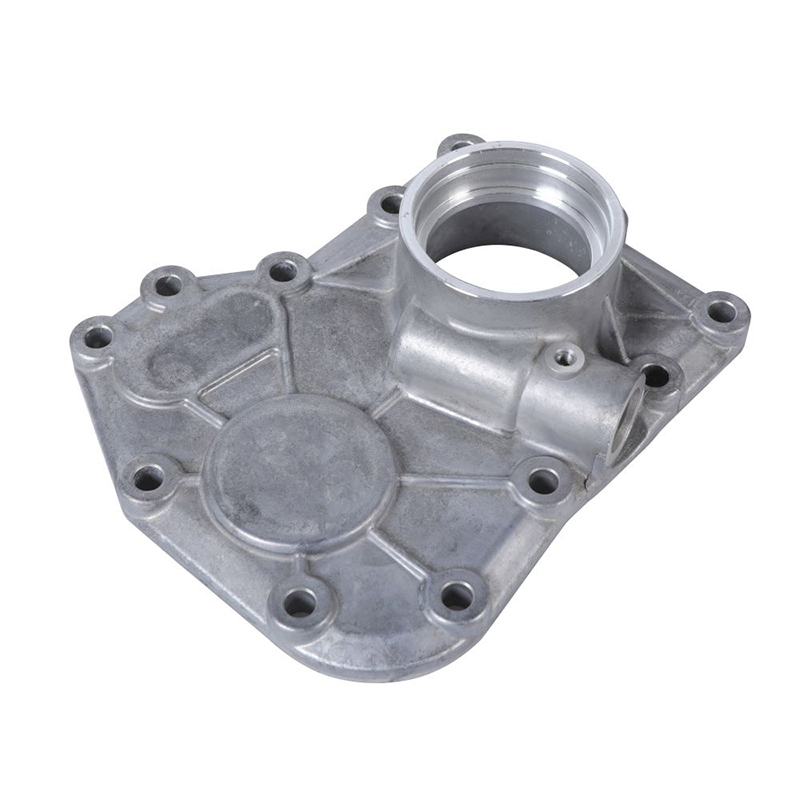
Used primarily in motor housings and structural supports, Motor Aluminum Die Casting Parts allow manufacturers to reduce overall vehicle mass without sacrificing performance. This weight reduction translates directly into greater range and improved energy efficiency—key selling points for electric vehicles.
A Shift in Design Philosophy
Traditional internal combustion engine (ICE) platforms were not designed with electric motors in mind. As automakers move toward dedicated EV architectures, Motor Aluminum Die Casting Parts are allowing engineers to redesign drive units from the ground up. The result is a more integrated, compact, and thermally efficient system.
Advanced manufacturing techniques have enabled complex geometries in Motor Aluminum Die Casting Parts, reducing the need for secondary machining and assembly operations. In turn, this lowers production costs and shortens development cycles. The ability to produce net-shape or near-net-shape components is especially valuable in the fast-paced EV market.
Market Growth and Technology Adoption
The rising volume of electric vehicle production—spanning from compact city cars to commercial trucks—is fueling demand for Motor Aluminum Die Casting Parts. Automakers in Europe, North America, and Asia are increasingly partnering with Tier 1 suppliers to ensure a consistent supply of precision-cast motor components.
Europe, in particular, has emerged as a in integrating lightweight castings into EV architecture. Meanwhile, in Asia, countries like China and South Korea are scaling their casting operations to meet both domestic and export demand. In North America, there is a strong push for localizing the production of Motor Aluminum Die Casting Parts as part of reshoring strategies.
Key Benefits and Performance Metrics
The use of Motor Aluminum Die Casting Parts offers multiple engineering benefits:
Thermal conductivity: Helps dissipate heat from the motor core, improving longevity.
Weight reduction: Enhances battery efficiency and driving range.
Structural integrity: Withstands vibration and mechanical stress under real-world conditions.
Design flexibility: Enables integration of cooling channels, mounting features, and electrical interfaces into a single casting.
Because electric motors operate under different stress conditions than traditional engines, Motor Aluminum Die Casting Parts are designed with customized alloy compositions and heat treatments. This ensures they can handle unique thermal cycles, corrosion risks, and electromagnetic influences present in EV environments.

Opportunities and Forward Outlook
The outlook for Motor Aluminum Die Casting Parts remains strong, with growing interest in sustainable materials and energy-efficient manufacturing. Recycled aluminum is playing a larger role in component production, reducing both carbon footprint and material costs.
Additionally, as EV motor technology evolves—such as the shift toward axial flux motors and integrated drive units—the demand for more specialized Motor Aluminum Die Casting Parts is expected to increase. Foundries and suppliers that can offer both standard parts and co-engineered solutions will likely see significant market opportunities.
In the coming years, innovations in die casting such as vacuum die casting, high-pressure multi-cavity casting, and digital simulation will further enhance the capabilities of Motor Aluminum Die Casting Parts. These technologies are not only improving component quality but also enabling scalability for high-volume production.
Motor Aluminum Die Casting Parts are no longer just mechanical components—they are enablers of next-generation electric mobility. As automakers seek lighter, more efficient, and integrated drive solutions, these parts will continue to play a pivotal role. With growing global adoption and advances in casting technologies, Motor Aluminum Die Casting Parts are set to define a new standard in electric powertrain engineering.