EN
 English
 中文简体
 Deutsch
A single pallet's weight difference between materials looks small on a spec sheet, but multiply that difference across a warehouse running hundreds of pallets through daily handling, and the total impact on labor effort and equipment wear becomes significant. An industrial aluminum pallet trades some upfront cost for weight and durability advantages that compound across a facility's full pallet fleet rather than mattering much on any single unit. Buyers who evaluate an industrial aluminum pallet against a steel equivalent using only unit price often miss the fleet-wide savings that show up over months of daily operation.
Why Weight Reduction Matters Beyond a Single Pallet
An industrial aluminum pallet typically weighs meaningfully less than a comparable steel pallet at similar load capacity, and this weight reduction affects manual handling injury risk, forklift battery consumption in electric-powered warehouses, and even shipping cost when pallets themselves travel as part of an export shipment. Facilities running high pallet turnover, where staff manually reposition pallets throughout a shift, see this weight advantage translate into measurable reductions in cumulative physical strain across a workday. Buyers should calculate total fleet weight difference across their actual pallet count rather than evaluating the weight advantage on a single-unit basis, since the cumulative effect is where the real operational benefit shows up.
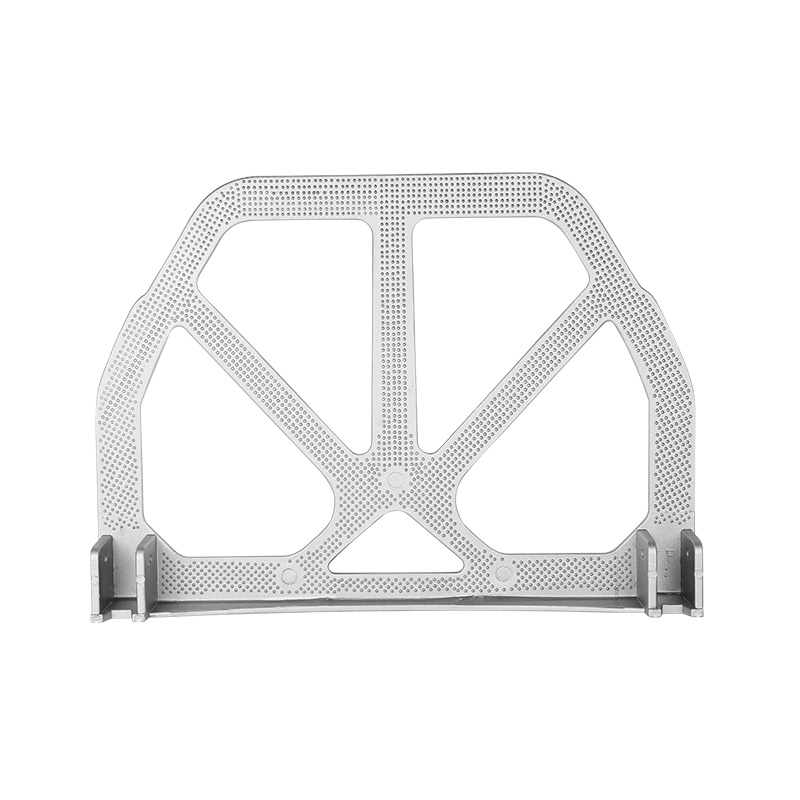
Corrosion Resistance in Washdown and Humid Environments
Corrosion resistance is where an industrial aluminum pallet distinguishes itself especially clearly from steel alternatives, since aluminum naturally forms a protective oxide layer that resists the rust steel pallets develop under repeated exposure to washdown cycles, humidity, or outdoor storage. This matters directly for food processing, pharmaceutical, and other regulated industries where a corroding pallet surface can shed particulate matter that becomes a contamination risk during handling of sensitive products. Buyers in these regulated sectors should treat corrosion resistance as a compliance factor rather than purely a durability consideration, since pallet surface condition can factor directly into facility hygiene audits.
Comparing Pallet Materials by Operating Environment
|
Material |
Weight |
Corrosion Resistance |
Typical Fit |
|
Aluminum |
Lighter |
High, natural oxide layer |
Washdown, food/pharma, frequent manual handling |
|
Steel |
Heavier |
Lower, prone to rust without coating |
Heavy static loads, less frequent handling |
|
Plastic |
Lightest |
High, but lower load capacity |
Light loads, single-use or low-durability needs |
|
Wood |
Variable |
Low, prone to rot and pest issues |
Low-cost, single-use or domestic shipping |
Why Some Facilities Still Choose Alternatives
Despite aluminum's advantages, an industrial aluminum pallet isn't the automatic right choice for every application, since steel pallets can offer higher raw load capacity per unit cost for facilities prioritizing static strength over weight or corrosion concerns, and wood pallets remain the lowest-cost option for single-use or domestic shipping where durability matters less. Buyers should weigh their facility's specific priorities, whether that's washdown frequency, manual handling volume, regulatory hygiene requirements, or raw load capacity, rather than assuming aluminum is universally across every warehouse application.
Recyclability and Long-Term Cost Considerations
Aluminum pallets retain scrap value at the end of their service life in a way that wood pallets typically don't, since aluminum's recyclability allows it to be reprocessed repeatedly without significant loss of material quality, offsetting some of the higher upfront cost when buyers factor in total lifecycle value rather than purchase price alone. Buyers running long-term facility cost projections should include this residual value in their comparison against steel or wood alternatives, since aluminum's higher initial cost narrows considerably once end-of-life recovery value is factored into a multi-year total cost of ownership calculation.
Confirming Load Capacity Before Standardizing a Fleet
Buyers planning to standardize a warehouse fleet around an industrial aluminum pallet design should confirm rated load capacity against their heaviest actual product loads, including dynamic loads experienced during transport rather than only static storage weight, since a pallet rated adequately for stationary storage can behave differently under the additional stress of forklift transport or automated conveyor handling. Running this confirmation before a fleet-wide order, rather than after an early batch of an industrial aluminum pallet design is already in daily use, gives buyers a chance to adjust the specification while changes remain relatively inexpensive to make.