EN
 English
 中文简体
 Deutsch
A motor running in a clean lab faces few challenges. But motors work in dusty factories, wet outdoor sites, or hot equipment rooms. For those environments, the motor output cover must keep contamination out and lubricant in.
Sealing starts with a flat face
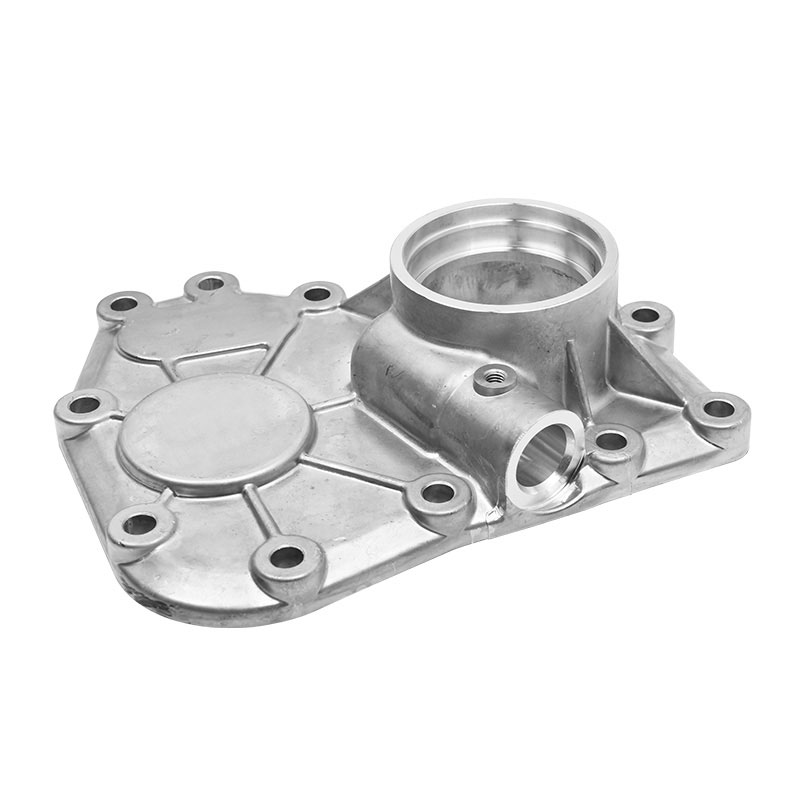
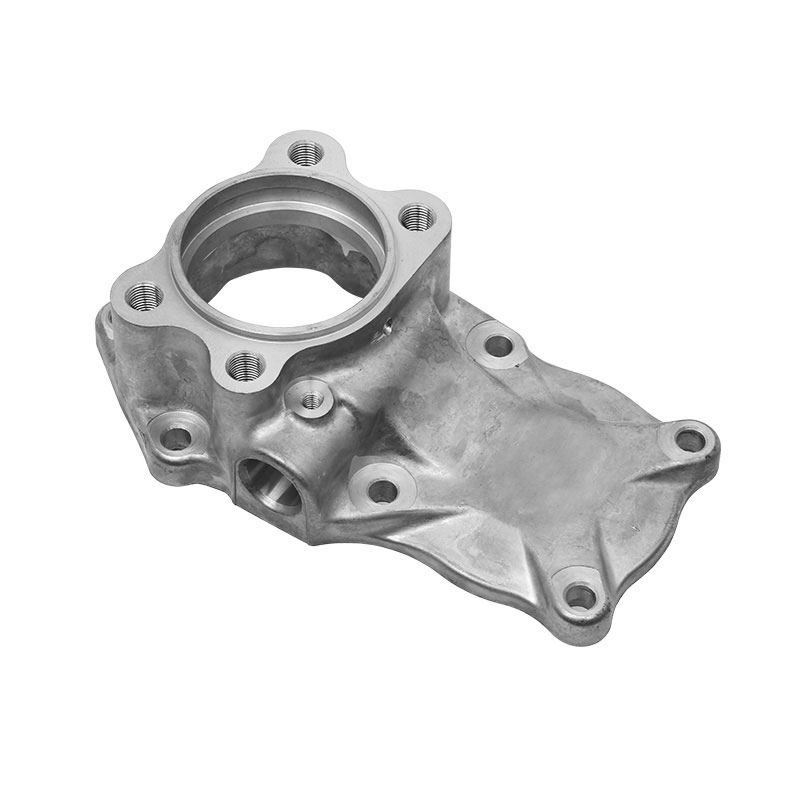
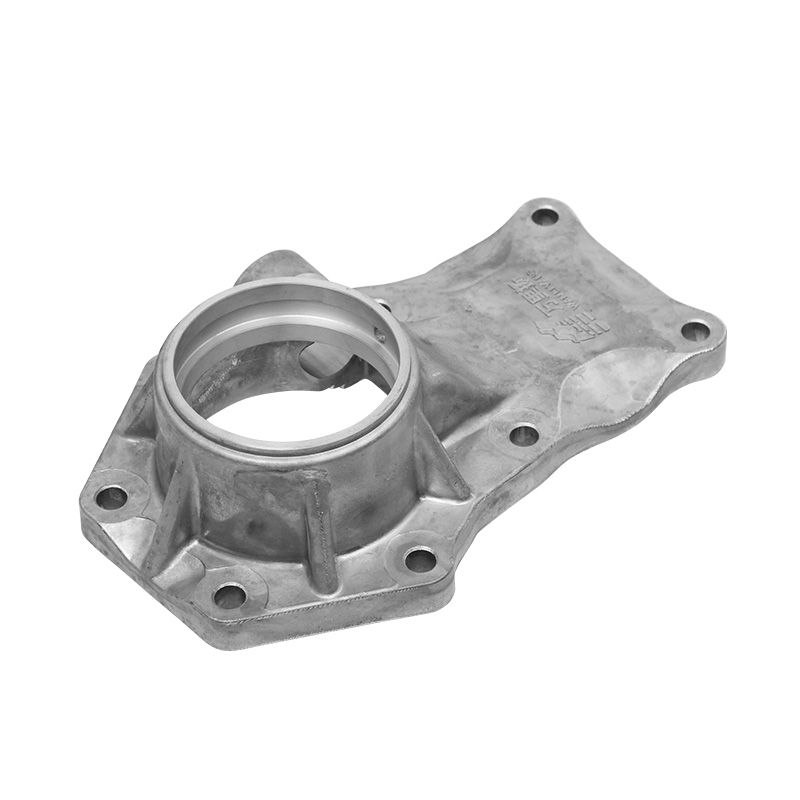
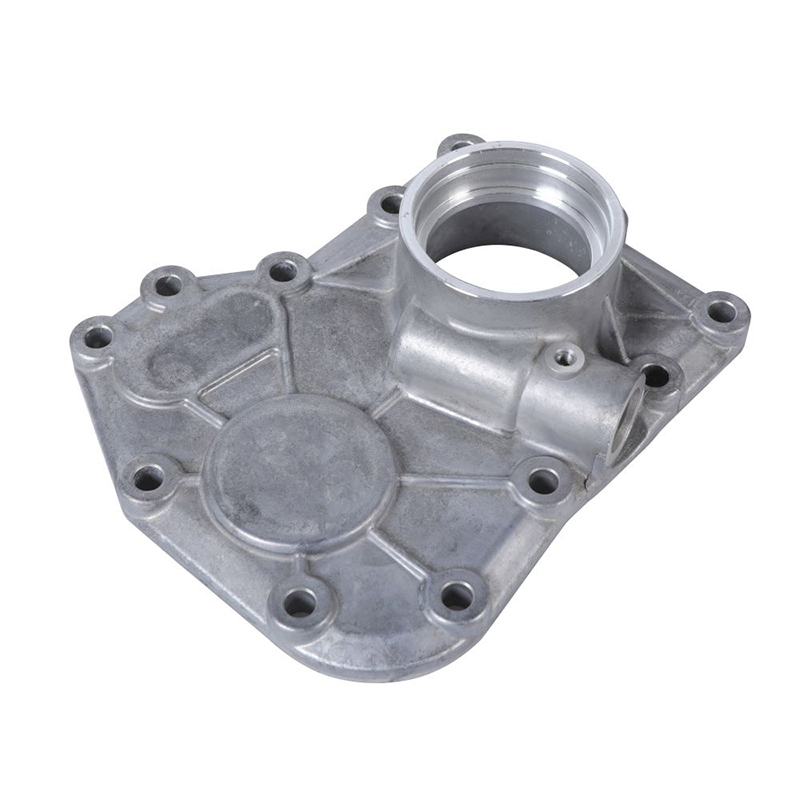
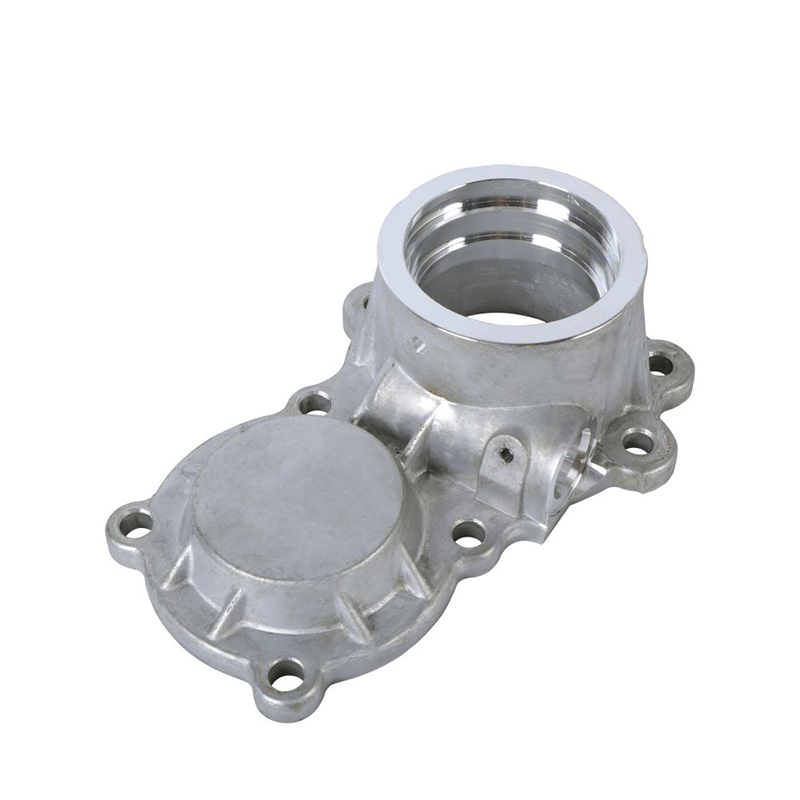
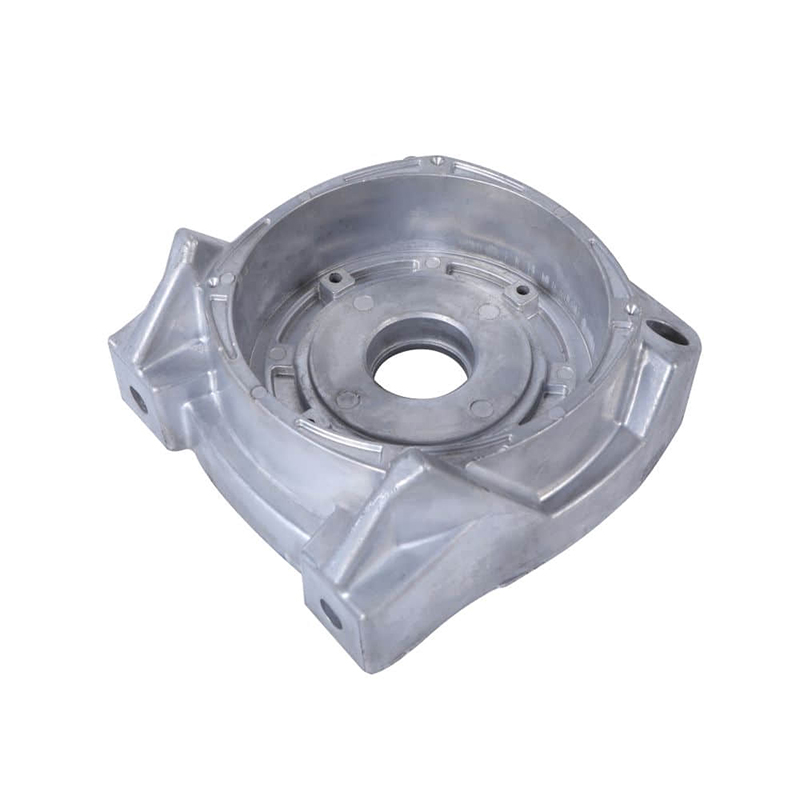
The motor output cover has a sealing interface around the shaft opening. An oil seal presses into this area. The seal rubs against the rotating shaft while its outer edge stays fixed to the cover.
For the seal to work, the sealing face on the motor output cover must be flat and smooth. Cast surfaces alone are not good enough. Machining creates the required surface finish.
A rough or wavy motor output cover sealing face allows leaks. Dust and moisture enter. Grease escapes. The motor fails from contamination or lubrication loss.
Groove design for O-rings
Many motor output cover designs include an O-ring groove on the mounting flange. This O-ring seals between the cover and the motor housing. It prevents external contamination from entering through the joint.
The groove dimensions must match the O-ring size precisely. Too shallow, and the motor output cover will not bolt down flush. Too deep, and the O-ring does not compress enough to seal.
Some low-cost motor output cover products omit the O-ring groove entirely. They rely on gasket sealant instead. This approach works for initial assembly but fails over time as sealant dries and cracks.

Vibration and bolt retention
Motors shake. That shaking tries to loosen every bolt on the motor output cover. Once bolts loosen, the cover shifts. Sealing surfaces separate. Leaks begin.
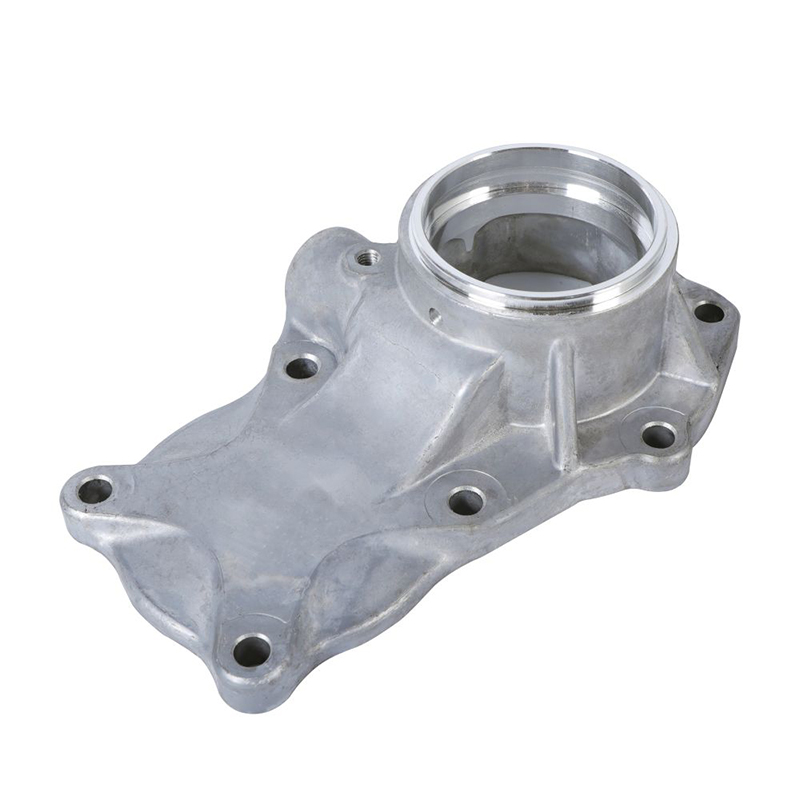
Quality motor output cover designs use adequate bolt size and spacing. More bolts mean more clamping force distributed evenly. The cover stays tight longer.
The material of the motor output cover also matters for bolt retention. Aluminum expands and contracts with temperature changes. The motor output cover must be thick enough around bolt holes to prevent crushing under the bolt head.
Surface treatment for wear resistance
The area where the oil seal contacts the motor output cover experiences constant friction. Untreated aluminum can wear over time. A groove may develop under the seal lip.
To prevent this, motor output cover products receive surface treatment. Anodizing hardens the aluminum surface. Spray painting provides a smoother finish. Some specifications call for a wear-resistant coating on the seal journal.
Without proper surface treatment, a motor output cover will eventually leak at the shaft. The seal itself may still be good, but the cover surface has worn away.
Temperature effects on sealing
Motors run hot. A motor output cover experiences temperature cycles from ambient to over 80°C. These cycles cause the aluminum to expand and contract.
The motor output cover and the housing expand at similar rates because both are aluminum. That helps maintain the seal between them. But the shaft is usually steel, which expands differently from the motor output cover.
This differential expansion affects the oil seal fit. Good motor output cover designs account for this with seal materials that tolerate size changes across the operating temperature range.
Inspection for sealing surfaces
When inspecting a motor output cover, check the seal bore and mounting face for scratches or dings. Any damage on these surfaces will cause leaks.
Look at the bolt holes for signs of crushing or cracking. A cracked motor output cover will never seal properly, no matter how much torque you apply to the bolts.
The pilot diameter should be free of burrs. Even a small burr can prevent the motor output cover from seating fully against the housing. That leaves a gap that O-rings cannot fill.
Long-term reliability
A motor output cover that seals well keeps the motor internals clean and lubricated. Bearings last longer. Windings stay dry. Service intervals extend.
Saving money on a cheap motor output cover often backfires. The few dollars saved upfront turn into expensive repairs later. For any motor that works in real-world conditions, a properly sealed motor output cover is not optional. It is essential.