EN
 English
 中文简体
 Deutsch
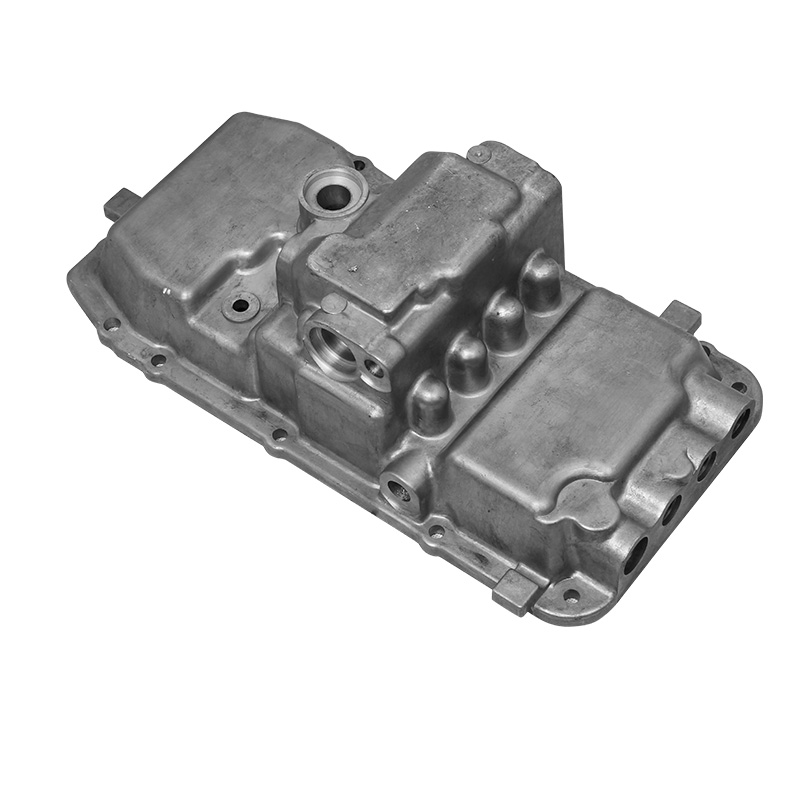
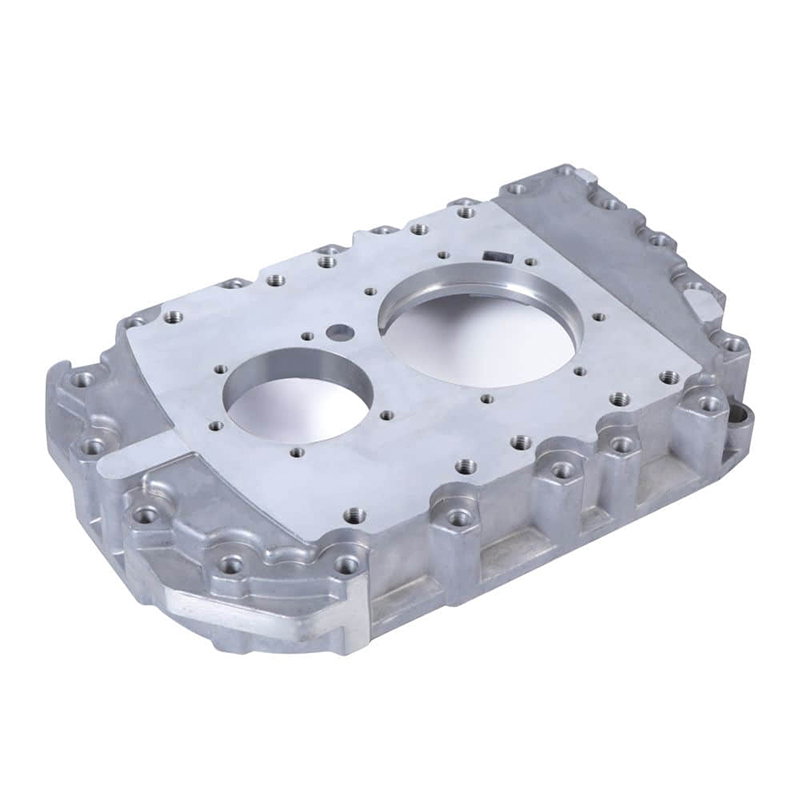
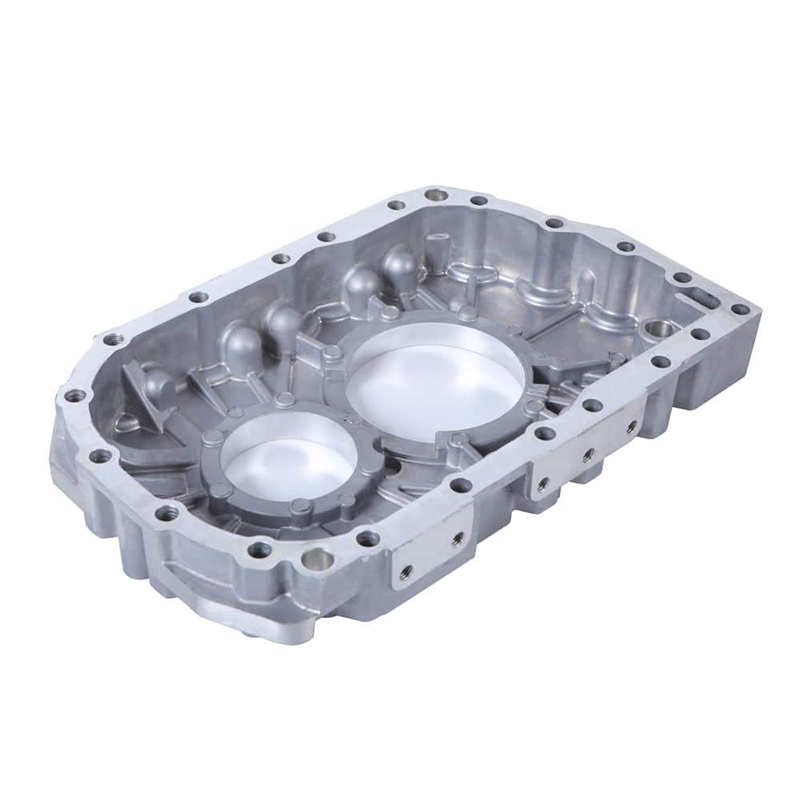
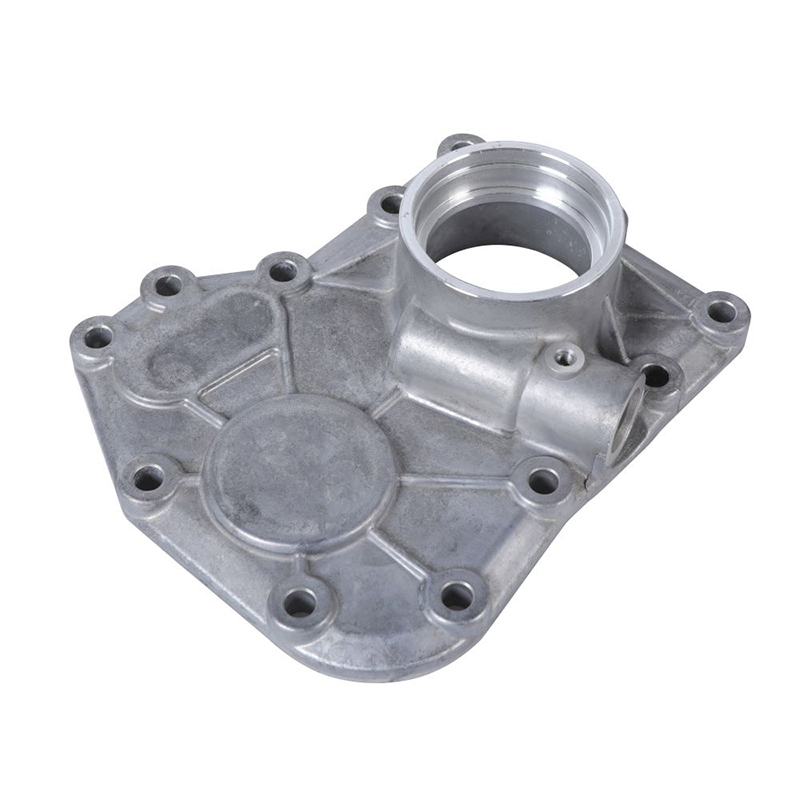
A pallet designed to carry repeated heavy loads across a production floor needs a manufacturing process built around dimensional consistency, not just a strong finished material. A die cast aluminum pallet achieves this through cold-chamber die casting, a process where each production detail, from mold temperature to injection pressure, directly affects whether the finished pallet holds its shape and load rating across a full production run. Buyers evaluating suppliers purely on quoted price per unit, without asking which casting process produces that pallet, sometimes discover the process choice explains a meaningful part of the price difference between quotes that otherwise look comparable.
How Cold-Chamber Casting Differs From Alternative Methods
Cold-chamber die casting injects molten aluminum into a steel mold under high pressure using a chamber that stays separate from the melting furnace, a process specifically suited to aluminum alloys because of their high melting point relative to metals like zinc that typically use hot-chamber machines instead. This separation between melting and injection stages reduces wear on the injection components and allows consistent shot-to-shot quality across a long production run, which matters directly for buyers ordering large pallet quantities where dimensional consistency between units affects stacking and handling compatibility. Buyers should confirm which casting method a supplier uses specifically for pallet production, since applying the wrong process to aluminum can introduce quality issues that only surface after parts are already in the field.

Why Die Casting Tonnage Affects Pallet Dimensions
Die casting tonnage refers to the clamping force a die-casting machine can apply to hold the mold closed during injection, and this figure directly limits the maximum size and complexity of pallet a given machine can produce in a single shot. A die cast aluminum pallet requiring a larger surface area or more complex rib structure needs a machine rated for correspondingly higher tonnage, since insufficient clamping force during injection can allow the mold to separate slightly under pressure, producing flash or dimensional inconsistency at the parting line. Buyers specifying custom pallet dimensions should confirm a supplier's available tonnage range covers their required size before finalizing a design, rather than discovering a capacity mismatch after tooling has already been built.
Quality System Requirements for Industrial Pallets
A die cast aluminum pallet intended for industrial or automotive supply chain use commonly requires production under IATF16949 quality management standards, a certification specific to automotive-related manufacturing that adds documented process control beyond general ISO 9000 requirements. Buyers sourcing pallets for use within automotive or related supply chains should confirm this specific certification applies to the actual production line manufacturing their pallets, rather than assuming a supplier's general quality certification automatically extends to every product line the factory produces.
Comparing Casting Process Considerations by Pallet Size
|
Pallet Characteristic |
Standard Tonnage Requirement |
Production Consideration |
|
Small, simple geometry |
Lower tonnage sufficient |
Faster cycle times, lower tooling cost |
|
Large surface area |
Higher tonnage required |
Longer cycle times, higher tooling investment |
|
Complex rib structure |
Higher tonnage, precise mold design |
More attention to fill pattern and porosity risk |
Surface Finish and Its Role in Pallet Durability
Shot blasting finishes a die cast aluminum pallet by removing surface flash and creating a uniform texture that resists surface corrosion better than an untreated cast surface, a meaningful consideration for pallets that see repeated contact with forklift forks, conveyor rollers, and other handling equipment. Buyers specifying pallets for high-frequency handling environments should confirm surface treatment specifications match their actual handling equipment, since a finish suited to occasional manual handling may wear faster under continuous automated material handling than a buyer initially expects.
Custom Specification and Sample Confirmation Process
Buyers developing a die cast aluminum pallet design from drawings or physical samples should expect a supplier to confirm specifications and produce initial samples before committing to full mass production, since catching a dimensional or structural issue at the sample stage costs far less than discovering it after a full production run has already shipped. Requesting documented inspection results at each stage, from raw casting through final surface treatment, gives buyers a clearer record to reference if a dimensional or quality issue needs to be traced back to a specific point in the production process. A supplier willing to share these records as a matter of routine practice, rather than only when specifically pressed, is generally a stronger indicator of process discipline behind a given die cast aluminum pallet production run than a verbal assurance of quality alone.