EN
 English
 中文简体
 Deutsch
A motor bolted to a poorly designed mounting plate can run within its rated specifications and still fail early, not because the motor itself is defective but because the plate underneath it isn't controlling vibration or heat the way it should. An Aluminum Motor Tray does more than hold a motor in position — it has to manage two byproducts of motor operation, vibration and heat, that shorten equipment life when left unaddressed.
Stiffness Determines How Much Vibration Reaches the Rest of the Machine
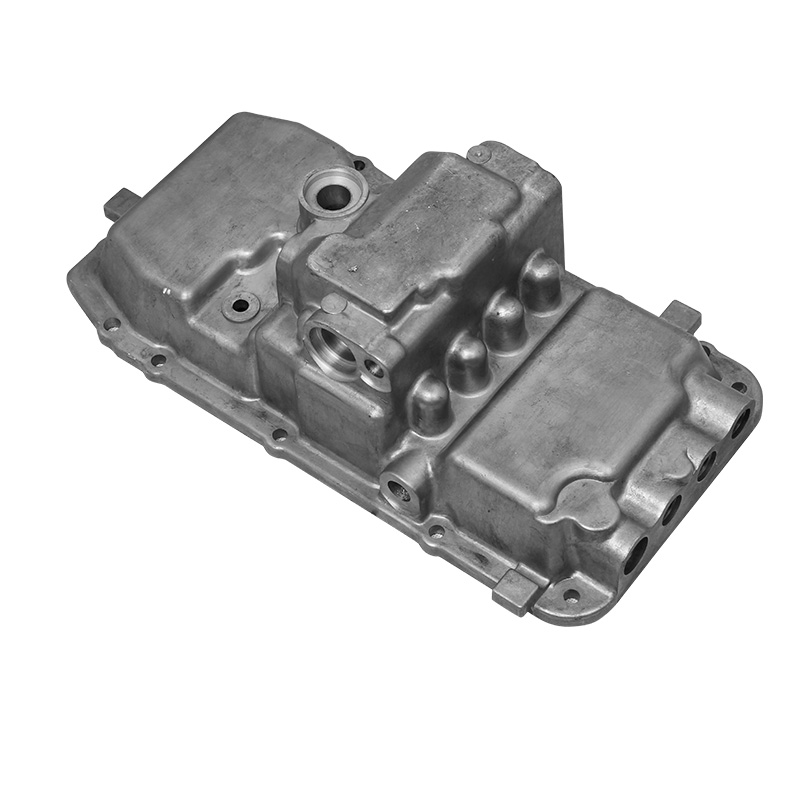
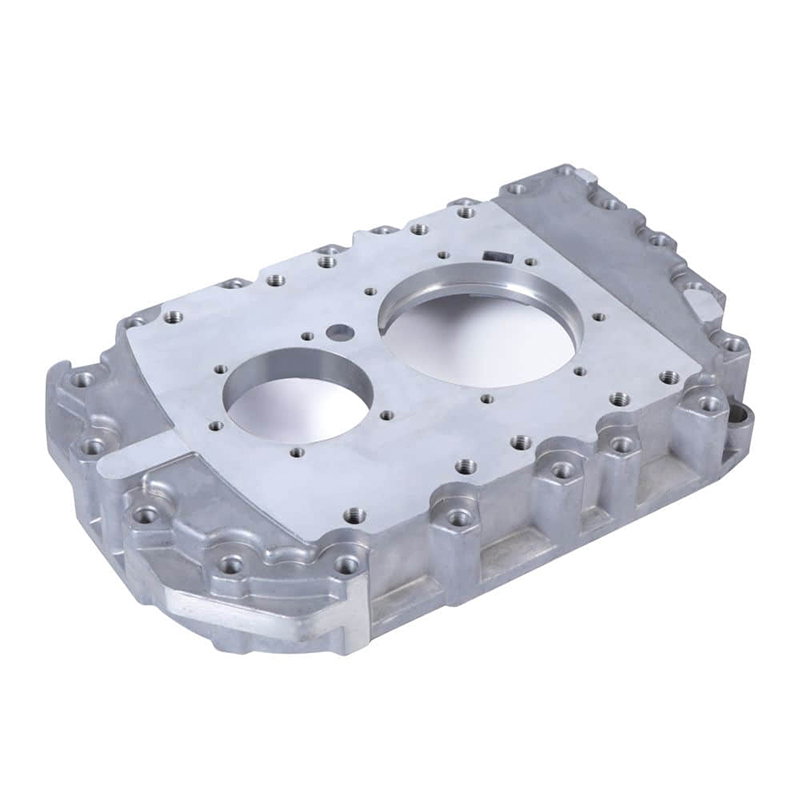
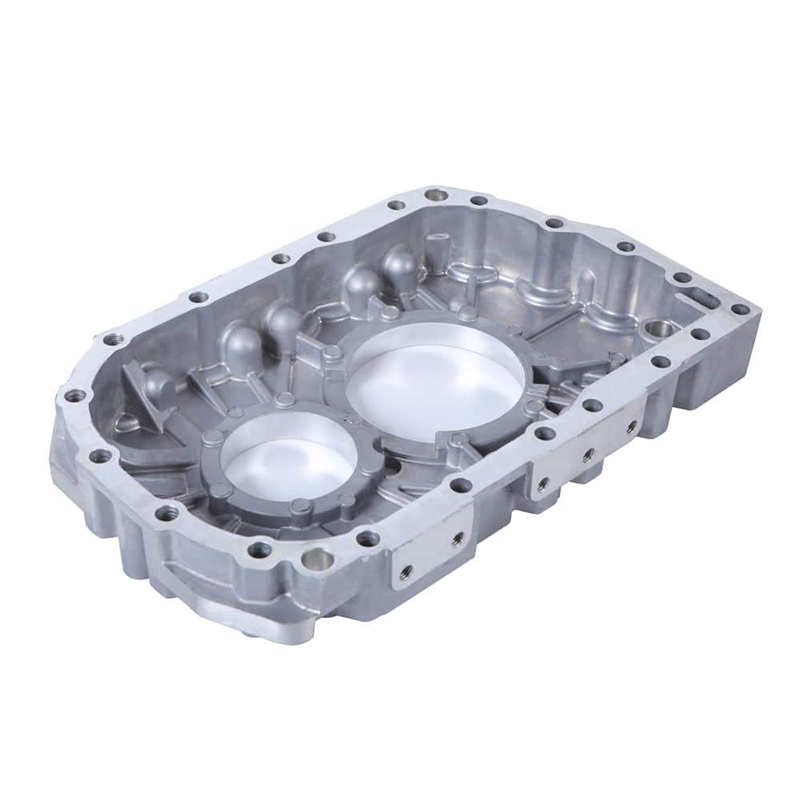
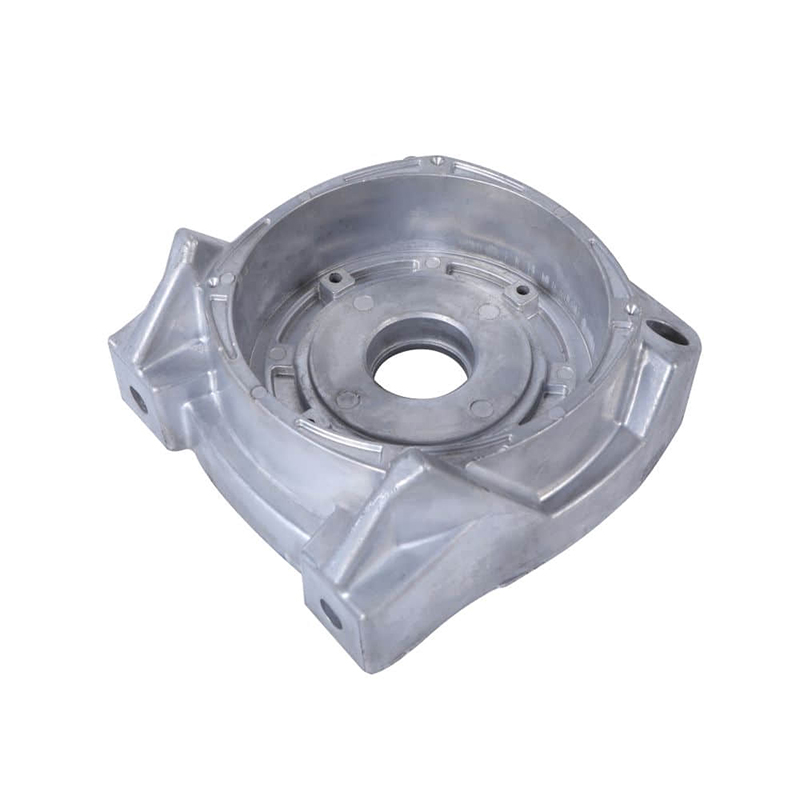
Every running motor generates vibration, and that vibration transfers directly through the Aluminum Motor Tray into the surrounding machine structure. A tray with insufficient stiffness flexes under that vibration, and as it flexes, the motor shifts slightly, which adds vibration back into the system and stresses the motor's mounting feet in a feedback loop that gets worse over time. Adequate wall thickness combined with ribbing cast into the underside of the tray resists this bending without adding the weight that a uniformly thicker plate would require.
Natural Frequency Has to Sit Away From Motor Operating Speed

Every cast mechanical structure has natural frequencies where it vibrates readily, and if a motor happens to operate near one of those frequencies, vibration amplifies well beyond what the motor alone would produce. Shifting the natural frequency of an Aluminum Motor Tray away from common motor operating speeds requires rib pattern and thickness decisions made during the design stage, not adjustments made after a part is already in production. A tray designed without this analysis can resonate noticeably at standard motor RPM ranges, producing a machine that shakes more than its design specifications suggest it should.
Comparing Surface Treatment Options for Thermal Performance
|
Surface Treatment |
Heat Transfer |
Corrosion Resistance |
Typical Environment |
|
Bare / Shot Blasted |
Highest |
Lower in wet conditions |
Clean, dry indoor use |
|
Thin Anodizing |
Nearly as high as bare |
Moderate |
Mixed indoor conditions |
|
Powder Coating |
Reduced |
Higher |
Wet or chemical exposure |
Buyers specifying an Aluminum Motor Tray for continuous-duty motors in a clean, dry facility should prioritize the left column of this table, while buyers supplying humid or chemically exposed environments may accept some thermal tradeoff in exchange for corrosion protection.
Heat Transfer Depends on Both Material Contact and Finish
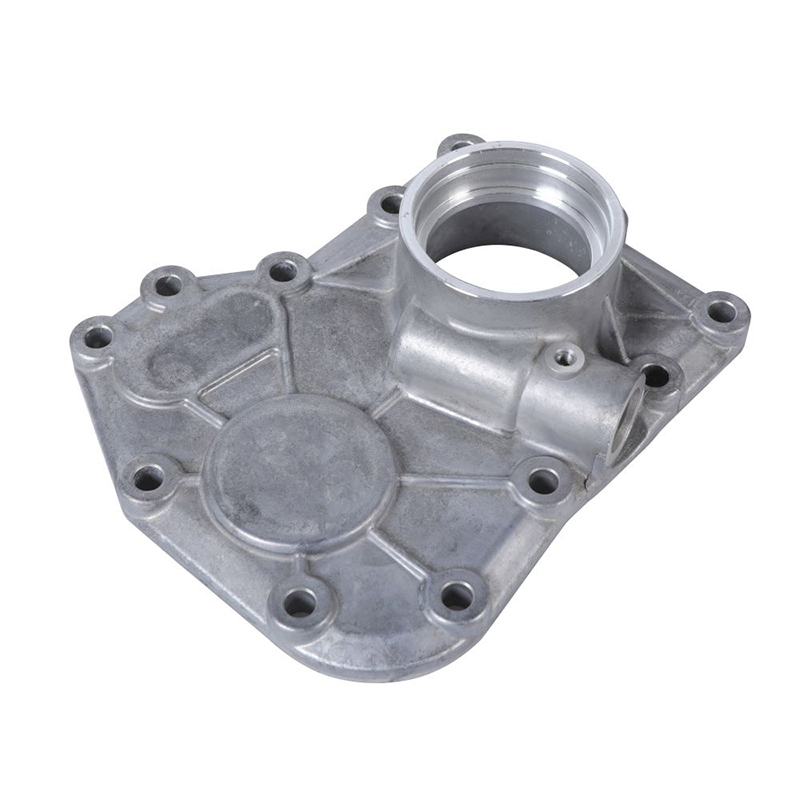
Aluminum conducts heat well, and a motor mounting plate in direct contact with a motor base functions as a heat sink, drawing heat away from the motor and spreading it across a larger surface area. Some designs add fins or additional surface area to a die cast aluminum tray specifically to improve this cooling effect for motors that run continuously. A thick coating insulates the surface and reduces this heat transfer, which is why buyers should weigh corrosion protection against thermal performance based on the actual operating environment rather than defaulting to the heaviest available coating.
Bolt Retention Under Sustained Vibration
Vibration works continuously to loosen every bolt on a vibration damping tray, and once bolts loosen, the motor shifts out of position, alignment degrades, and vibration compounds further. Sufficient material thickness around bolt holes prevents the crushing that leads to reduced clamping force over time, and a bolt pattern with adequate spacing distributes clamping force more evenly across the mounting surface than a minimal bolt count would achieve.
Matching Tray Stiffness to Motor Size
A tray engineered for a fractional-horsepower motor will not perform adequately under a 50-horsepower unit, since larger motors generate proportionally more vibration force. Thickness and ribbing on an Aluminum Motor Tray need to scale with motor weight and torque output, and an undersized tray subjected to forces beyond its design range will flex excessively, risking cracking or repeated bolt loosening over the equipment's service life.
Quality Control and Customization for OEM Buyers
Manufacturing an Aluminum Motor Tray to consistent vibration and thermal performance requires dimensional inspection at each production stage rather than final inspection alone, and buyers should confirm a supplier applies process checks throughout casting and finishing rather than only at the end of the line. Manufacturers running full inspection against customer specifications and international quality systems can typically develop tray designs directly from customer drawings or samples, accommodating custom ribbing patterns, thickness, and surface finish for buyers whose motor and equipment specifications fall outside a standard catalog offering. Buyers placing bulk orders should confirm testing capacity for vibration and thermal validation, since a tray that performs well on a single sample doesn't guarantee identical performance across a full production run without batch-level verification.