EN
 English
 中文简体
 Deutsch
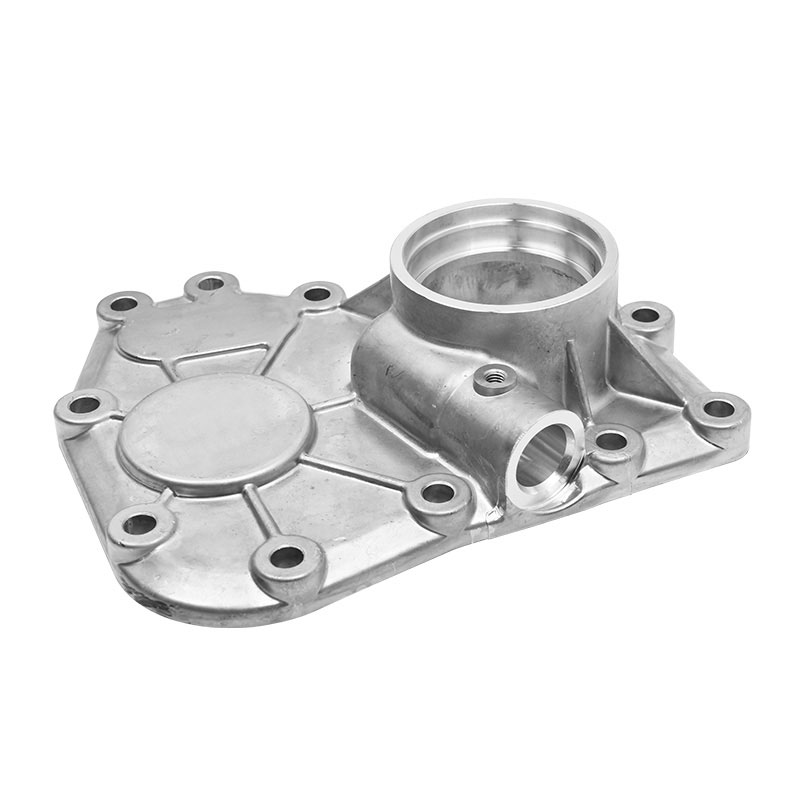
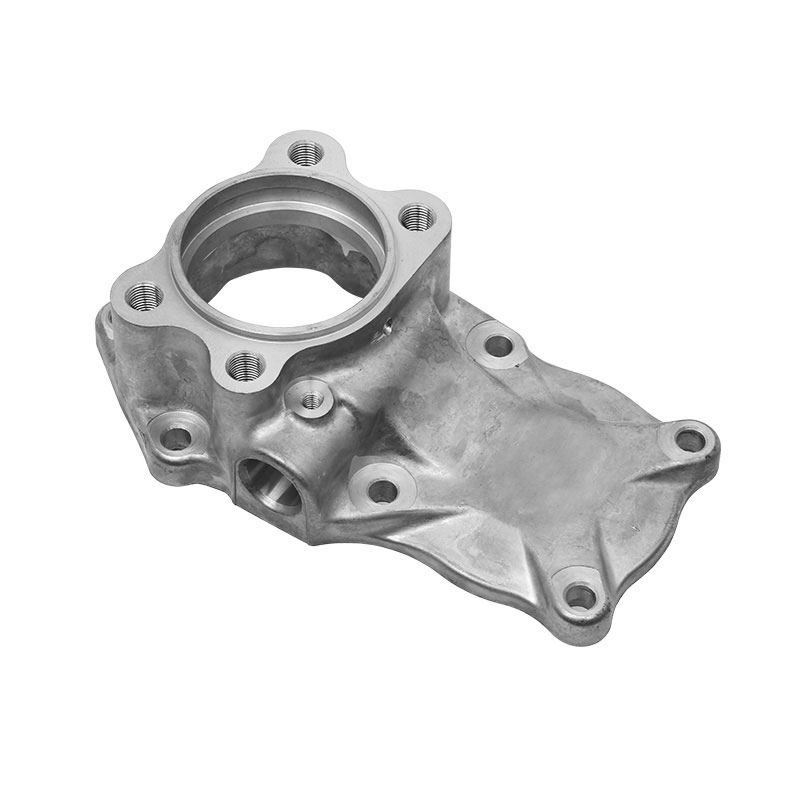
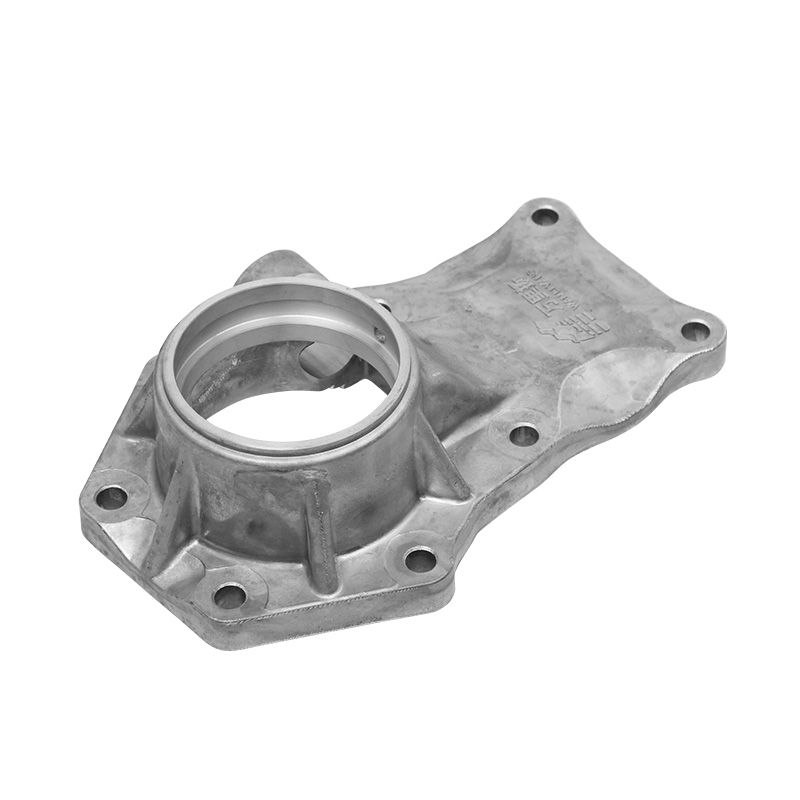
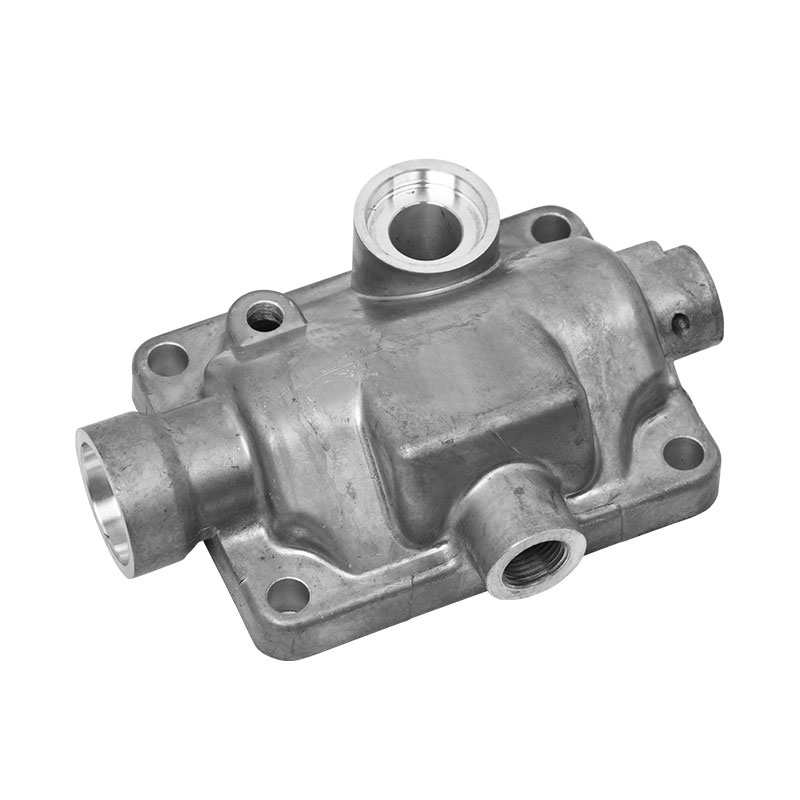
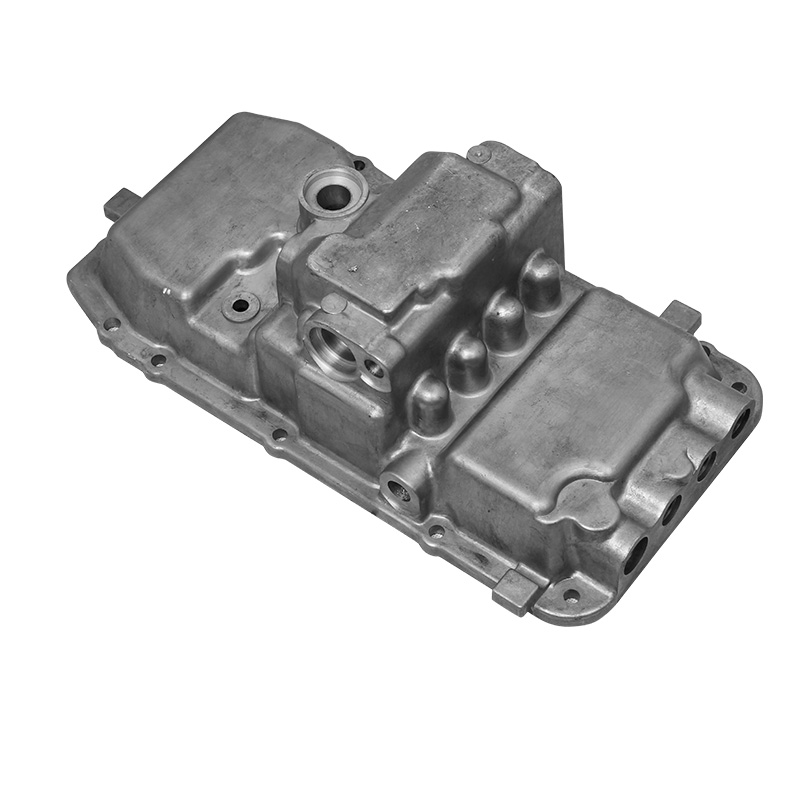
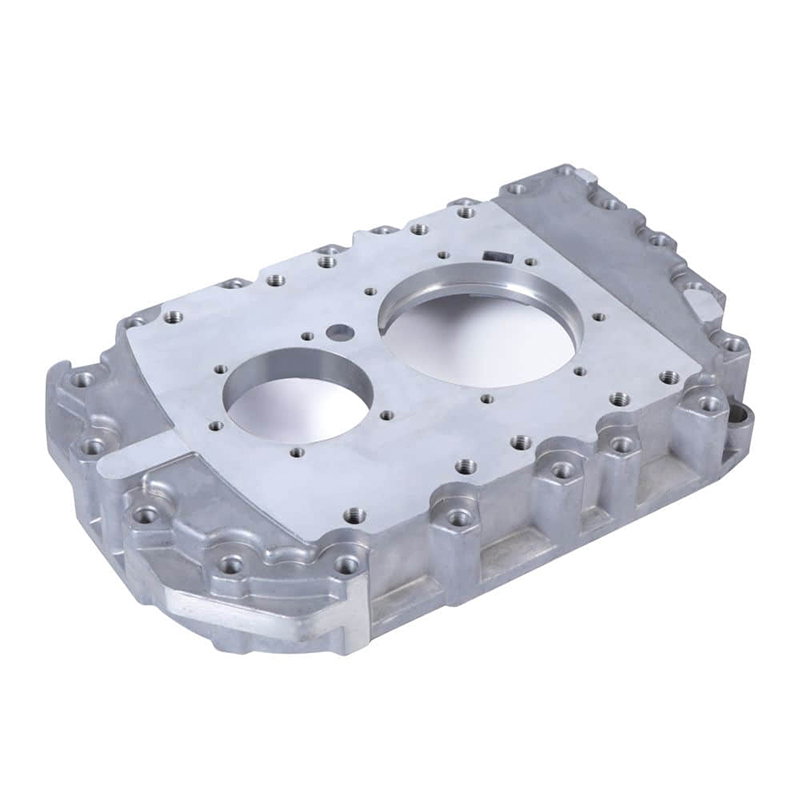
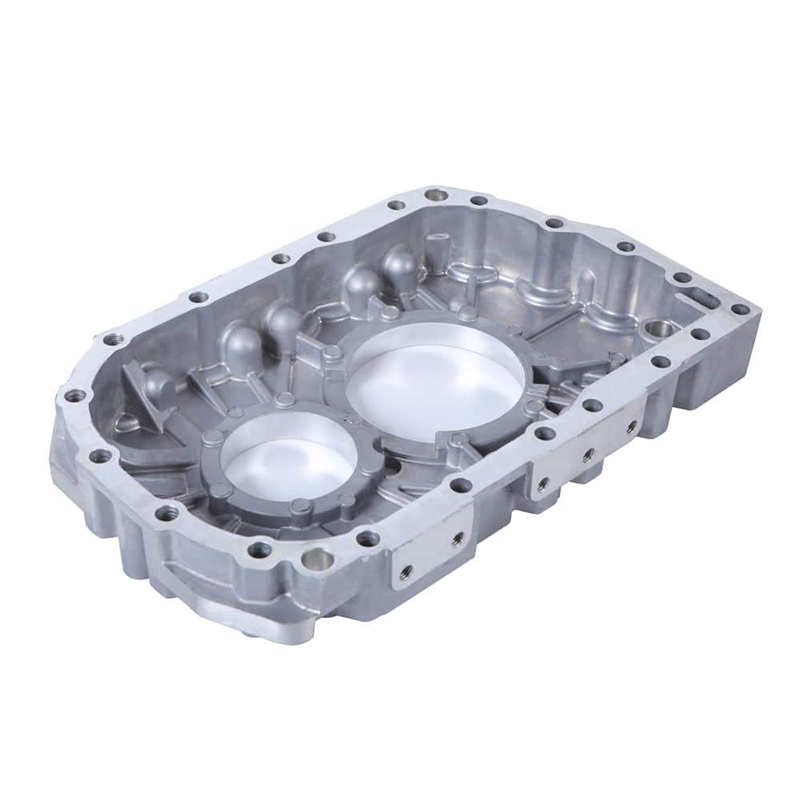
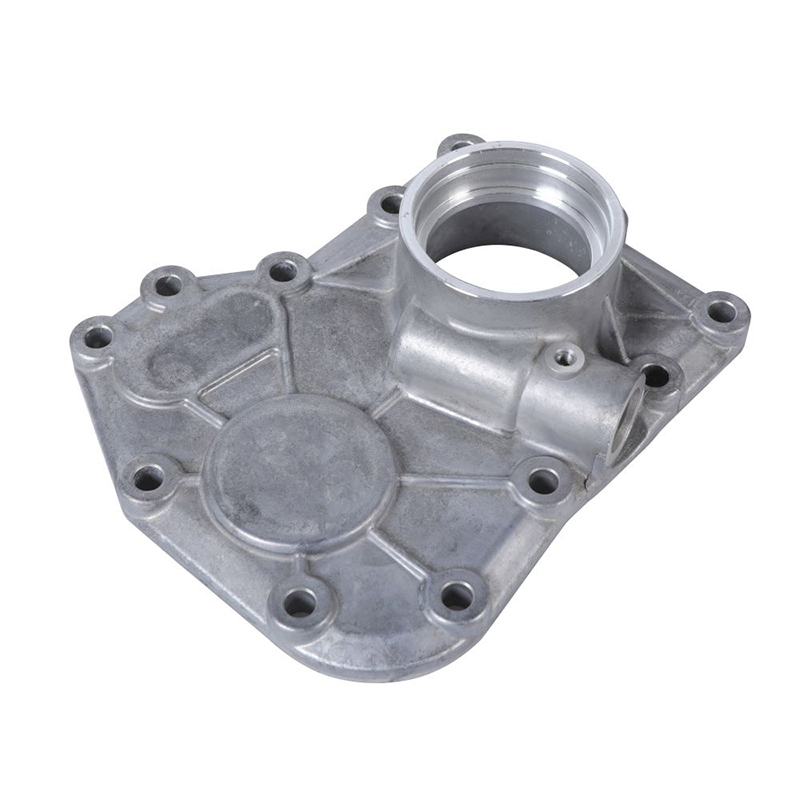
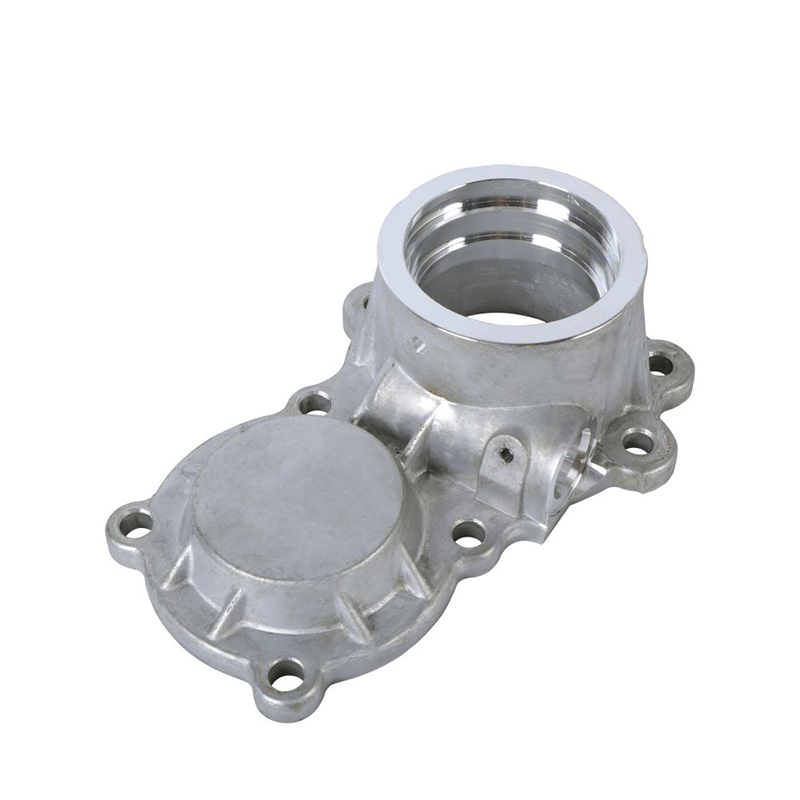
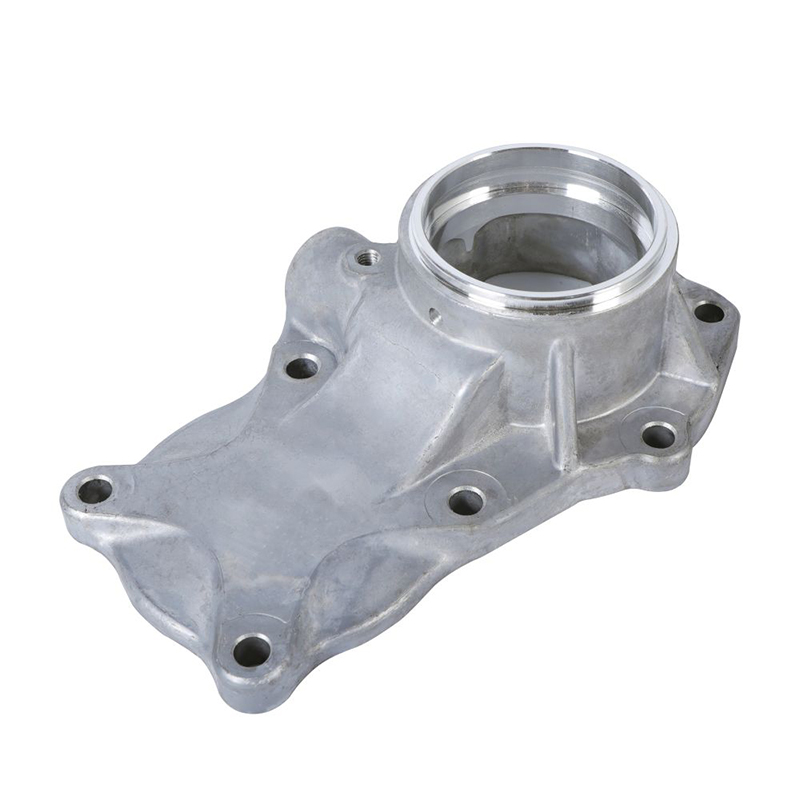
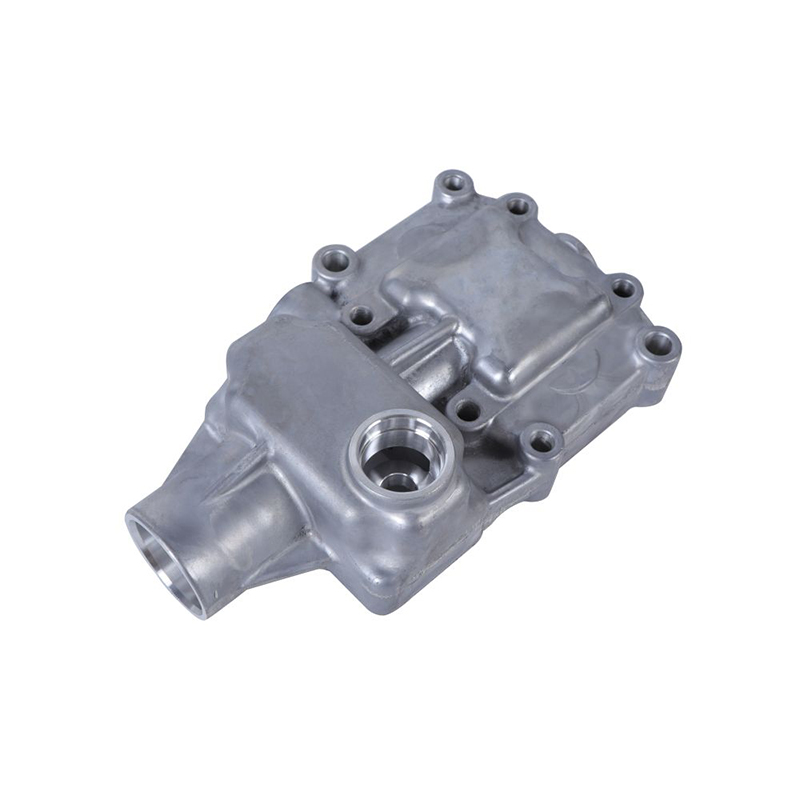
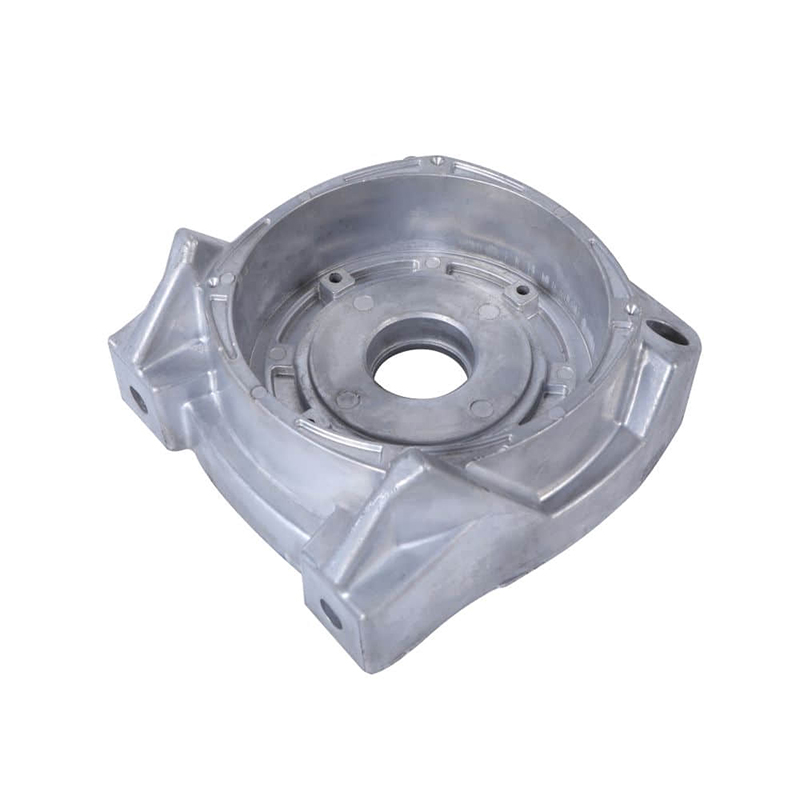
A gearbox housing needs to do two things that pull in opposite directions: stay light enough to reduce overall equipment weight, and stay strong enough to protect the gears and shafts working inside it. An aluminium alloy gearbox resolves this tension through the specific casting alloy used rather than through wall thickness alone, which is why the alloy grade behind a gearbox housing matters as much to buyers as the housing's outer dimensions. Buyers who focus purchasing conversations entirely on wall thickness, without asking about alloy grade, often end up comparing two aluminium alloy gearbox quotes that look similar on paper but perform very differently once installed.
Why ADC12 Alloy Suits Thin-Wall Gearbox Housings
ADC12 aluminum is a common alloy choice for gearbox housings specifically because of its good fluidity during casting, meaning the molten alloy fills narrow mold cavities and thin wall sections more completely before solidifying than a less fluid alloy would. This filling performance matters directly for gearbox housings, which often include thin ribs and mounting bosses that need complete, void-free filling to maintain structural integrity under load. Buyers specifying thin-wall gearbox housings should confirm a supplier's alloy grade and casting process are matched specifically for this filling requirement, since a poorly matched combination can produce housings with internal porosity that isn't visible from the outside.
Understanding the Strength-to-Density Advantage
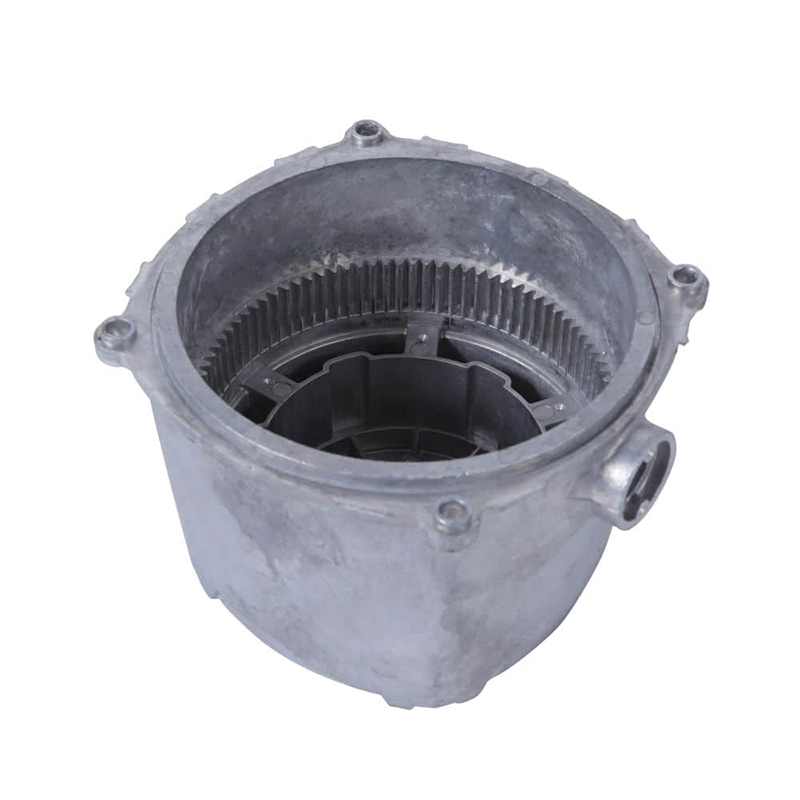
An aluminium alloy gearbox built from a properly cast aluminium alloy typically achieves a tensile strength to density ratio in the range of 9 to 15, a figure that explains why aluminium gearbox housings can match the functional strength of heavier materials at meaningfully less weight. This ratio matters especially in applications where total equipment weight affects performance or handling, such as portable power equipment or vehicle-mounted machinery, where every kilogram saved in the housing translates directly into easier handling or better fuel efficiency. Buyers should ask suppliers for this ratio specific to their alloy grade rather than assuming all aluminum alloys perform identically on this measure. An aluminium alloy gearbox quoted against a generic industry average figure, rather than a value tested on the actual alloy batch a buyer will receive, leaves room for the real-world figure to fall short of expectations.
Thermal and Electrical Conductivity in Gearbox Applications
Thermal conductivity in an aluminium alloy gearbox housing helps dissipate heat generated by gear friction and bearing operation during continuous use, reducing the risk of heat buildup that can degrade lubricant performance over time. The alloy's electrical conductivity, while less directly relevant to a gearbox's mechanical function, does matter in applications where the housing also serves a grounding or shielding role in electrically powered equipment. Buyers specifying gearboxes for continuous-duty industrial applications should weigh thermal performance alongside mechanical strength, since a housing that traps heat can shorten the service life of internal components even if the housing itself shows no structural weakness.
Comparing Surface Treatment Options for Gearbox Housings
|
Surface Treatment |
Typical Finish |
Common Use Case |
|
Shot blasting |
Matte, uniform texture |
Standard industrial gearbox housings |
|
Polishing |
Smooth, reflective surface |
Consumer-facing or visible equipment |
|
Painting |
Colored, protective coating |
Housings needing added corrosion resistance |
Why Shot Blasting Remains the Standard Finish
Shot blasting on an aluminium alloy gearbox housing removes casting flash and surface imperfections while creating a uniform matte texture that also improves how well any subsequent coating adheres to the surface. This finish suits industrial applications where the housing sits inside equipment rather than facing direct consumer view, prioritizing functional surface preparation over cosmetic appearance. Buyers specifying gearbox housings for equipment where the housing remains visible to end users should discuss whether shot blasting alone meets their cosmetic requirements or whether an additional finishing step is needed.
Temperature Stability Across Operating Conditions
An aluminium alloy gearbox housing needs to maintain its mechanical properties whether the equipment operates in cold outdoor conditions or hot industrial environments, and this temperature stability is a genuine advantage of properly formulated aluminium die-casting alloys over some alternative materials. Buyers sourcing gearboxes for equipment used across variable climate conditions, such as agricultural or construction machinery operating outdoors year-round, should request temperature performance data specific to their alloy grade rather than assuming general aluminum properties apply uniformly across every casting formulation on the market. A supplier able to provide test data spanning the full temperature range a buyer's equipment will actually encounter, rather than a single room-temperature figure, gives a more reliable basis for specifying an aluminium alloy gearbox into equipment destined for demanding outdoor service.