EN
 English
 中文简体
 Deutsch
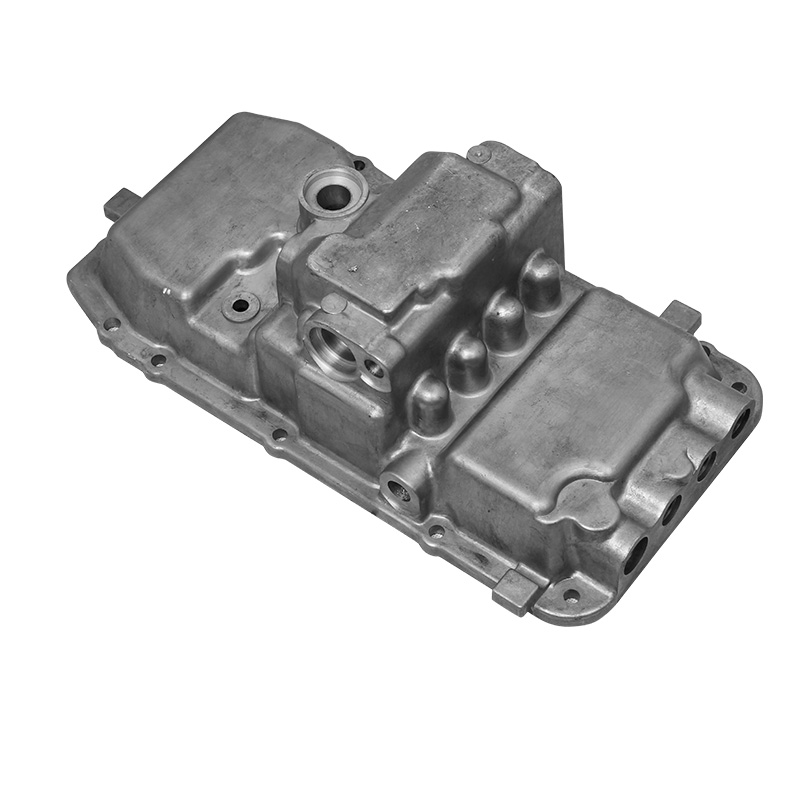
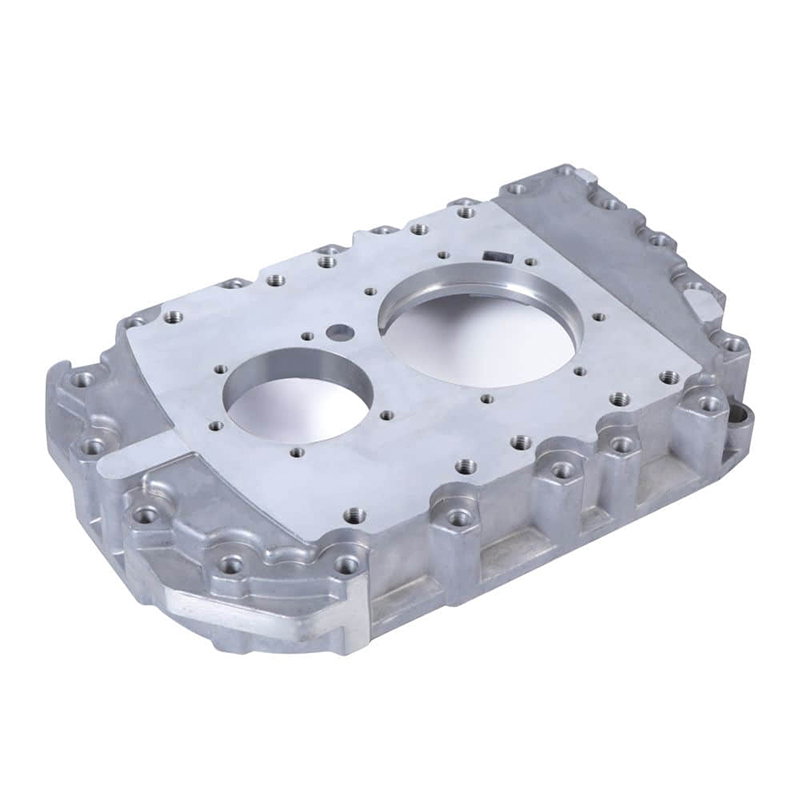
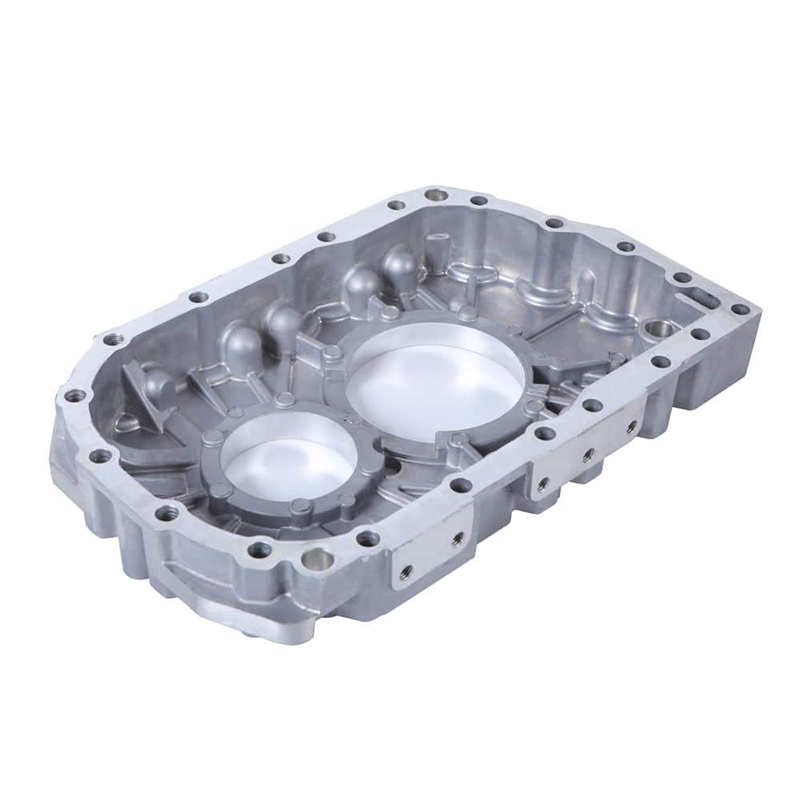
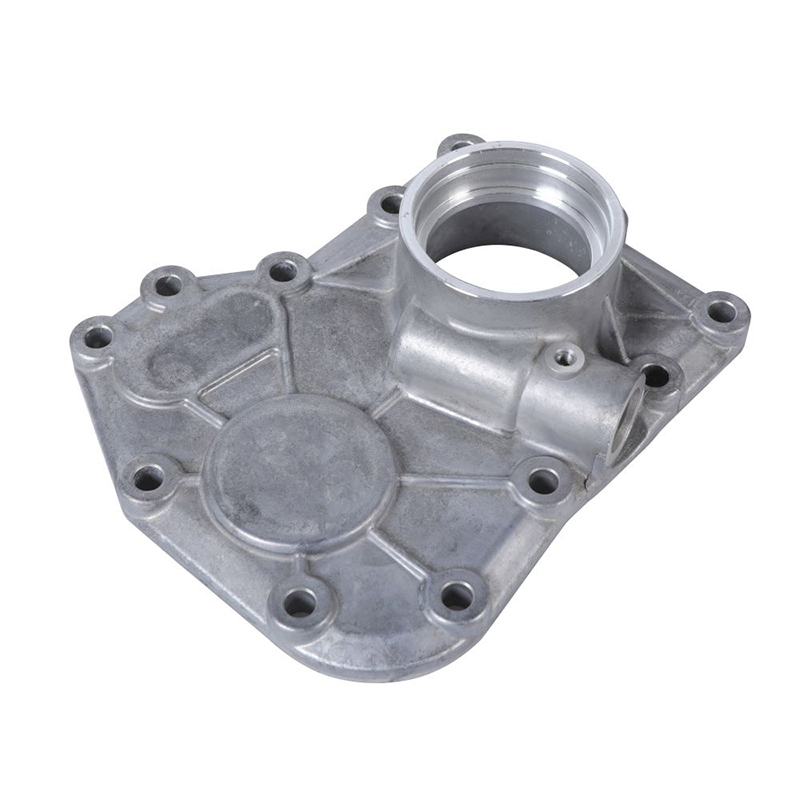
Two aluminum die-cast components made from the same alloy and produced on similar machines can still leave the factory with completely different surface treatments, and that choice usually comes down to how the finished part will actually be seen and handled. A sprayer casing commonly receives a plastic spray finish rather than the shot blasting treatment common on industrial housings, a distinction that reflects the product's position as a consumer-facing power tool component rather than an internal industrial part. Buyers who assume every aluminum die-cast component finishes the same way often specify the wrong treatment for a sprayer casing on an initial order, then correct the specification after the mismatch is caught during quality inspection.
Why Plastic Spray Suits a Consumer-Facing Casing
Plastic spray finish applies a coating layer over the cast aluminum surface, producing a smoother, more polished appearance than the matte texture shot blasting leaves behind. A sprayer casing benefits from this finish specifically because it sits on the outside of a tool a user handles directly, where surface appearance and hand-feel affect perceived product quality in a way that an internal gearbox housing, which a user never sees, does not need to account for. Buyers sourcing casings for consumer or professional-grade power tools should specify plastic spray finish explicitly rather than assuming a supplier's default industrial finish will meet consumer product appearance expectations.

How ADC12 Alloy Performs Under a Sprayed Finish
ADC12 alloy, the same aluminum grade commonly used across this factory's die-cast product range, provides the surface characteristics a plastic spray coating needs to adhere properly, since the alloy's casting quality directly affects how evenly a subsequent spray coating bonds to the surface. A casting with surface porosity or inconsistent texture can cause a plastic spray finish to show uneven coverage or reduced adhesion over time, which is why casting quality control matters as much for a sprayed finish as it does for an unfinished industrial part. Buyers should request surface quality inspection data specific to castings destined for spray finishing, since this inspection standard can differ from what's applied to parts receiving shot blasting alone.
Comparing Finish Options for Power Tool Housings
|
Finish Type |
Surface Appearance |
Typical Application |
|
Plastic spray |
Smooth, polished, colored |
Consumer-facing casings like sprayer housings |
|
Shot blasting |
Matte, uniform texture |
Internal or industrial housings |
|
Bare cast |
Rough, unfinished |
Components hidden from view entirely |
Die Casting Tonnage for Sprayer Housing Production
A sprayer casing commonly runs on a die-casting machine rated around 350 tons, a lower tonnage than some larger industrial housings require, reflecting the sprayer casing's relatively compact size and simpler geometry compared to larger structural components. Buyers should confirm the tonnage rating a supplier plans to use matches their specific casing dimensions, since running a design that pushes near a machine's tonnage limit can increase the risk of dimensional inconsistency across a production batch compared to a design with more clamping force headroom available.
Color Customization Beyond the Standard Gray Finish
While gray remains a common default color for a sprayer casing, buyers developing branded power tool products should confirm color customization options available through the plastic spray process, since this finish type generally offers more flexibility for custom colors than shot blasting, which leaves the natural aluminum surface exposed. Requesting physical color samples matched to a specific brand palette before finalizing a bulk order helps buyers avoid a color mismatch discovered only after a full production run has already been finished and packaged.
Matching Casing Specifications to Assembly Requirements
Buyers integrating a sprayer casing into a larger tool assembly should confirm mounting point dimensions and wall thickness tolerances align with their internal component layout before finalizing tooling, since a casing dimension mismatch discovered after mold production begins is considerably more costly to correct than one caught during the initial specification and sample review stage. Requesting a fit-check sample alongside the standard color and finish samples gives buyers a chance to confirm a sprayer casing works correctly with its intended internal components before a full production run locks in the final tooling.